
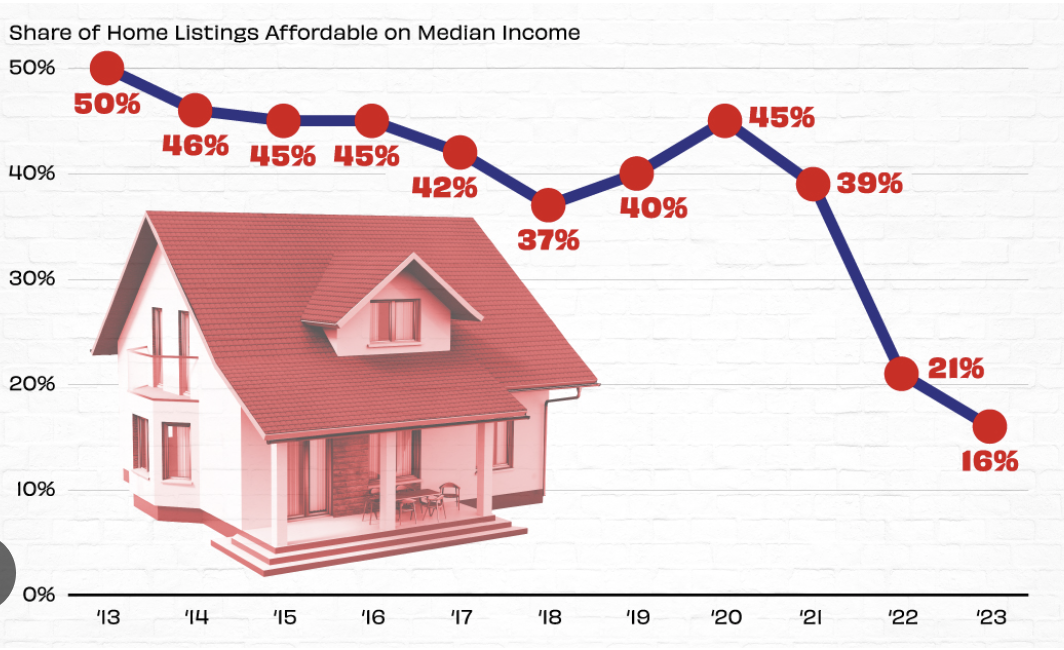
Corporate Purchases Of US Homes Impact the Little Guy
The corporate purchase of homes in the U.S. can have several negative impacts on individual homebuyers, often referred to as “the little guy.” Here are some ways this phenomenon can hurt individual buyers:
1. Increased Competition and Higher Prices
- Bidding Wars: Corporations, often with substantial financial resources, can outbid individual buyers, leading to bidding wars that drive up home prices.
- Market Prices: The increased demand from corporations can inflate housing prices, making it difficult for first-time buyers and those with limited budgets to afford homes.
2. Reduced Inventory
- Fewer Available Homes: When corporations purchase homes in bulk, the overall housing inventory decreases, limiting the number of available homes for individual buyers.
- Limited Choices: Reduced inventory means fewer choices for buyers, who may have to settle for less desirable properties or remain in the rental market.
3. Rental Market Dominance
- Conversion to Rentals: Corporations often convert purchased homes into rental properties, increasing the proportion of rental units in the housing market.
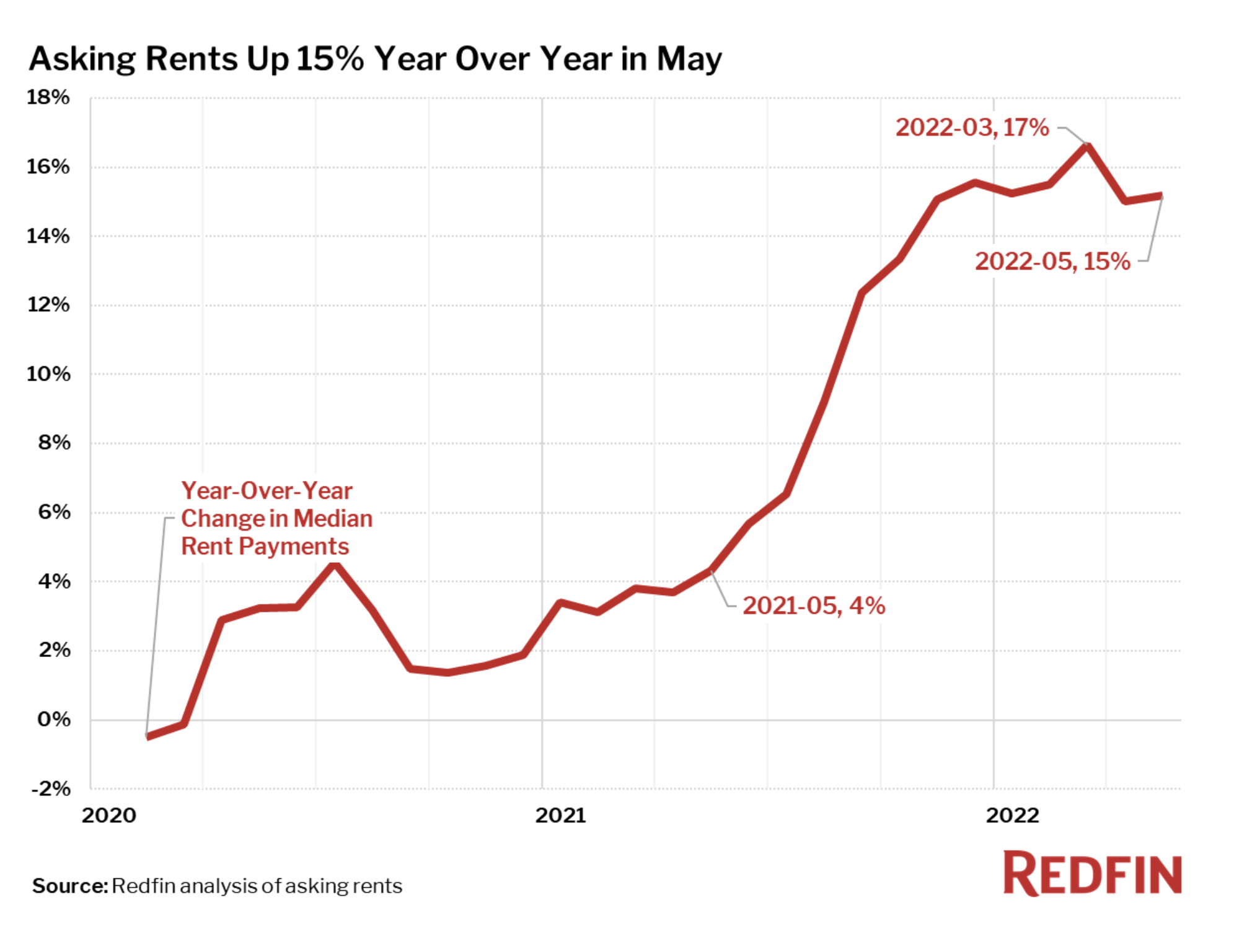
- Higher Rents: With a larger share of the rental market, corporations can raise rental prices, making renting less affordable for individuals. The current Federal administration aims to put a 5% cap on the amount corporations can raise rents.
4. Economic Disparities
- Wealth Gap: The concentration of housing assets in corporate hands can exacerbate economic inequality, as wealth generated from real estate appreciates within corporate portfolios rather than among individual homeowners.
- Limited Wealth Building: Homeownership is a key avenue for building personal wealth; when individuals are priced out, they lose the opportunity to build equity and financial stability through property ownership.
5. Community Impact
- Neighborhood Stability: Corporate ownership can lead to less community stability. Homeowners are more likely to invest in and maintain their properties, whereas corporate owners may prioritize profit over community well-being.
- Local Engagement: Individual homeowners typically have a vested interest in their communities, contributing to local schools, businesses, and social networks. Corporate owners, often absentee landlords, may not engage with or contribute to the local community.
6. Market Manipulation
- Bulk Purchases: Corporations can buy homes in bulk, sometimes directly from builders, bypassing the traditional market and reducing opportunities for individual buyers.
- Pricing Power: With significant market power, corporations can influence housing prices and rental rates to their advantage, often at the expense of affordability for individuals.
7. Regulatory and Policy Influence
- Lobbying Power: Corporations have the resources to lobby for policies that favor their business models, such as tax incentives for rental properties, which may not benefit individual homeowners.
- Policy Focus: Regulatory frameworks might increasingly cater to corporate interests rather than addressing the needs of individual buyers and local communities.
Summary
The corporate purchase of homes in the U.S. creates an environment where individual buyers face higher prices, reduced inventory, and increased rental costs. This trend can lead to greater economic disparities, reduced community engagement, and less stable neighborhoods. The concentration of housing assets among corporations also allows them to exert significant influence over market conditions and regulatory policies, often to the detriment of individual homebuyers and the broader community.
We picked two cities to show the impact that corporate purchases have had on the ability of the little guy to purchase a home in the US.
Corporate purchases of real estate in Las Vegas, and Cincinnati have led to higher home prices in these areas, driven by a combination of increased demand from investors and reduced availability of affordable housing.
Las Vegas

In Las Vegas, investors have significantly increased their market share, with nearly 29.2% of home sales in the fourth quarter of 2021 attributed to investors. This influx of investor activity, coupled with Las Vegas being a popular migration destination, has pushed home prices up by 24.8% year-over-year to a median of $399,400 (Redfin). The high demand for rental properties in Las Vegas has also contributed to this rise, as investors are betting on strong returns from both rental income and property value appreciation.
Cincinnati

In Cincinnati, investor activity also surged, with 16.2% of home sales in 2021 being investor purchases, marking a 46.5% year-over-year increase. This heightened investor interest, driven by the relatively low median sale price of $165,000, has put pressure on the housing market, leading to rising prices (Redfin). The attractiveness of Cincinnati’s market for rental properties has led to increased competition among buyers, contributing to higher home prices.
Summary
Overall, the substantial increase in investor purchases in these cities has led to reduced housing inventory and increased competition, pushing home prices higher. This trend underscores the broader impact of corporate and investor purchases on the housing market, contributing to affordability challenges for regular homebuyers in many U.S. cities.


You May Also Like

Spotlight Tuesday – The Mitchell Owned by Laura Ingalls Wilder
August 31, 2024
Sears Kit House Spotlight Tuesday – The Whitehall
February 15, 2022