c.1860 Farmhouse For Sale in France $196K
$196,000
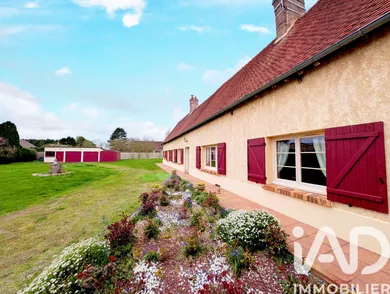
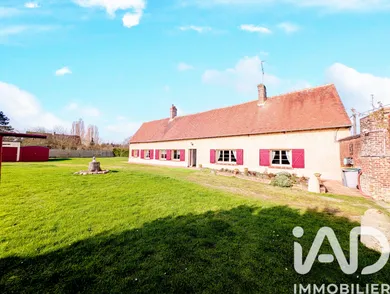
Stunning single-story farmhouse for sale in France, located in a quiet village just 15 minutes from Beauvais.
It comprises (rooms in a row):
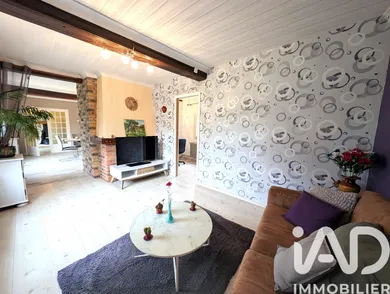
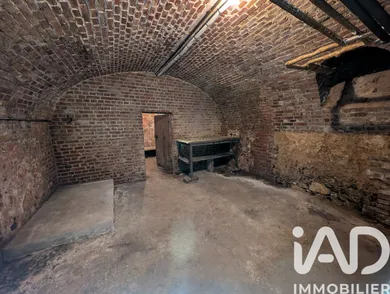
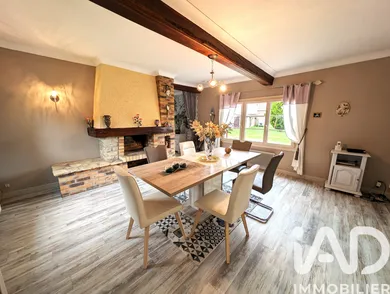
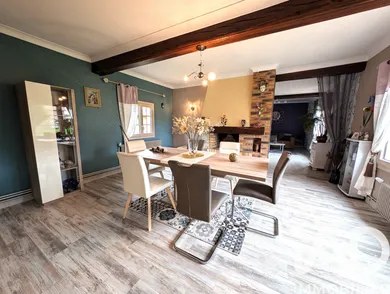
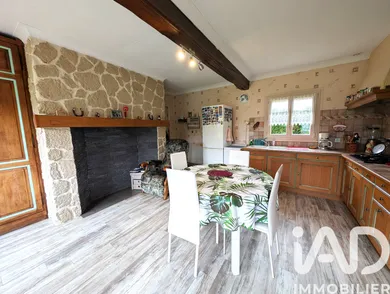
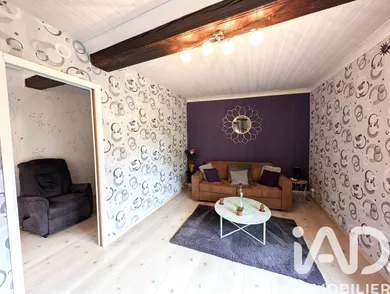
An entrance hall, a fitted and equipped kitchen, a bedroom with an adjoining room that could serve as a dressing room/office/nursery, a dining room, a living room (which could be converted into a second bedroom if needed), a shower room, a separate WC, an office, and access to a beautiful vaulted cellar of approximately 40 m².
Realtor Comments
The advantages of this property:
– Enormous development potential with its fully convertible attic.
A beautiful, flat plot (lawn) of approximately 1500 m², not overlooked and secluded.
Ample storage space: A double garage, a carport, a workshop, two garden sheds, with the possibility of parking several vehicles under cover. – The charm of the original features, including exposed beams and fireplaces.
Fiber optic internet is installed. The windows are double-glazed PVC. Heating is provided by an oil-fired boiler.
Insulation work (walls) will improve the energy efficiency of this lovely, charming house.
Don’t miss this opportunity!
Agency fees are payable by the seller.
Energy performance information for this property: Energy rating G (360 kWh/m²/year) and Climate rating G (109 kg CO₂/m²/year). Information on the risks to which this property is exposed, including the legal obligation to clear vegetation, is available on the Géorisques website: http://www.georisques.gouv.fr.
This real estate advertisement was written under the editorial responsibility of Ms. Julia Vila Llorca, independent real estate agent (without holding funds), commercial agent of SAS I@D France registered with the RSAC of COMPIEGNE under number 980180525, holder of the real estate canvassing card on behalf of the company I@D France SAS.
- 5 rooms
- 1,140.97sqft
- 0.39 acre lot
- Circa 1860
Contact Realtor: Julia Vila Llorca
Haudivillers, France $196,187
Pros
- Culture and lifestyle: World‑class food, wine, museums, architecture, and a deep cultural heritage. Daily life often values leisure, good food, and social connection.
- Strong public services: Universal healthcare (state‑funded system), public schools, and social safety nets are generally high quality and accessible.
- High-quality cuisine and local markets: Fresh regional produce, bakeries, and a strong tradition of local markets and seasonal eating.
- Vacation and travel access: Varied landscapes (beaches, mountains, countryside) and efficient trains/air travel make domestic and European travel easy.
- Work–life balance (in many sectors): Legal protections such as shorter workweeks, generous vacation time, and emphasis on time off in many jobs.
- Education and higher learning: Renowned universities, grandes écoles, and cultural institutions; strong arts and humanities scenes.
- Public transport and infrastructure: Extensive rail network (TGV), urban transit systems in cities, and good intercity connections.
- Quality of life in many regions: Charming towns and countryside with slower pace, and vibrant city life in Paris, Lyon, Bordeaux, etc.
- Rich regional diversity: Distinct languages/dialects, cuisines, and traditions across regions (e.g., Brittany, Alsace, Provence).
Cons
- Language barrier: French is the primary language; limited English outside tourist areas can make daily life and bureaucracy difficult without French proficiency.
- Bureaucracy: Administrative processes (visas, permits, taxes, utility setup) can be slow, complex, and require persistence and documentation.
- Cost of living variations: Paris and other major cities are expensive for housing and many services; smaller towns and rural areas are more affordable.
- Housing market challenges: Competitive rental markets in big cities, strict tenant protections and landlord rules, and sometimes limited availability of suitable units.
- Employment market and wages: For some professions, wages can be lower than in comparable countries and job markets may be competitive; recognition of foreign qualifications can be difficult.
- Taxes and social charges: Higher income taxes and social contributions fund generous services; overall tax burden can feel heavy compared with some countries.
- Social norms and integration: Integration can take time; locals may seem formal at first and different social customs can require adjustment.
- Strikes and service disruptions: Labor actions (transport, postal, public services) happen periodically and can cause short‑term disruptions.
- Cost and pace of certain services: Opening hours for shops and services may be limited (e.g., many shops closed Sundays or have long midsummer closures in small towns).
- Healthcare navigation for newcomers: While high quality, the system can be complex to navigate initially (registration, complementary private insurance—mutuelle—for full coverage).
Regional and lifestyle differences to consider
- Paris and large cities: Best for cultural amenities, jobs, and international communities — but higher costs, smaller living spaces, and a faster pace.
- Medium cities (Lyon, Bordeaux, Nantes, Toulouse): Good balance of amenities, lower cost than Paris, strong regional culture.
- Rural France and small towns: Lower cost, slower pace, and strong local community — but fewer jobs, services, and English speakers.
- Overseas territories: Tropical climates and different lifestyles; public services and cost structures vary.
Who it’s good for
- Food, culture, and travel lovers who value public services and a high quality of life.
- People comfortable learning a new language and adapting to different social norms.
- Retirees seeking healthcare and lifestyle benefits, remote workers who can be location-flexible, and students pursuing specialized education.
Who might struggle
- Those needing immediate high incomes in certain industries, people who avoid bureaucracy, or those unwilling to learn French may find some aspects frustrating.
- People expecting always‑on convenience (24/7 services like in some large U.S. cities) might need to adjust.
Practical tips if you’re considering a move
- Learn French before or soon after arriving; even basic proficiency makes a big difference.
- Research visas and residency requirements early; long‑stay visas and work permits have specific rules.
- Visit different regions to find the lifestyle match you want (coastal vs. mountain vs. city vs. countryside).
- Budget for health insurance registration and a complementary mutuelle for full coverage.
- Use local expat groups and official resources (consulates, mairie) to navigate bureaucracy and find community.
- Prepare for cultural adjustment — patience, curiosity, and openness help smoothing the transition.
*
*
*