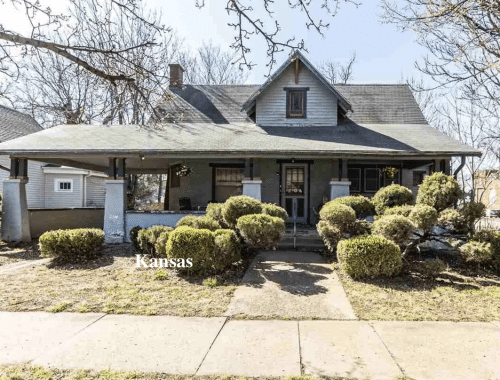
c.1870 Furnished Massachusetts Victorian Cottage For Sale $125K
$124,500
Built in 1870, this Massachusetts Victorian cottage for sale comes furnished. Crane Beach is just ten minutes away. The two-bedroom, one-bath gingerbread dollhouse is a 753-sf charmer with a front porch, wood floors, and vaulted ceilings. It’s seasonal, but what a historic sweetie!

Realtor Comments
- 2bed
- 1bath
- 753sqft
- Circa 1870

8 Central Pl, Hamilton, MA 01982 $124,500
If interested in a property, please contact the realtor whose link is provided in the post below, or contact an agent of your own choosing. Independent verification of details and status is recommended.
- Contact Realtor: Kathryn Catalano
Brokered by Churchill Properties
- Google Map
- Niche


Location of This Massachusetts Victorian Cottage For Sale
Asbury Grove, Massachusetts, is a small historical community located in the town of Hamilton, in Essex County. Its history is closely tied to its founding as a religious camp meeting site and the development of a Methodist summer retreat. Here is an overview of the history of Asbury Grove:
Early History and Formation
The history of Asbury Grove dates back to the mid-19th century when it was established as a Methodist camp meeting ground. In 1859, a group of Methodist families came together to create a spiritual retreat where they could gather for religious meetings, worship, and fellowship. The site was chosen for its scenic and peaceful rural setting in Hamilton, which provided a perfect atmosphere for reflection and religious renewal.
Asbury Grove was named in honor of Francis Asbury, a prominent early Methodist bishop in the United States who was instrumental in the spread of Methodism across the country. Asbury was known for his tireless work to establish Methodist churches and camp meetings, and the grove was named to honor his contributions to the faith.
The Camp Meeting Era
Asbury Grove was part of the broader 19th-century camp meeting movement, which was a significant aspect of American religious life in the 1800s. These meetings were typically held outdoors and involved a combination of revivalist preaching, religious services, and fellowship among attendees. Camp meetings were especially popular among Methodists, and the movement helped to spread the faith in rural and frontier areas.
At its peak, Asbury Grove was the site of large gatherings during the summer months, where families would come to stay in tents or simple cottages for several weeks at a time. The grove became a center for religious and community activities, with services, social events, and educational programs all playing an important role in the life of the camp.
Growth and Development
Over the years, Asbury Grove grew in both popularity and size. It became a well-known location for Methodist families from all over New England to meet, worship, and enjoy a summer retreat. The campgrounds were organized around a central meeting space, with an open-air chapel and a series of small cottages where families could stay.
In the late 19th and early 20th centuries, Asbury Grove expanded with the construction of more cottages, and the community continued to operate as a Methodist retreat. The design and layout of the grove reflected the social and religious dynamics of the time, with families gathering in a close-knit environment that emphasized communal living, religious devotion, and social interaction.
Transition and Preservation
In the mid-20th century, Asbury Grove’s role as a Methodist camp meeting site began to decline. As societal changes, such as increased mobility, urbanization, and shifts in religious practices, began to influence American life, fewer people participated in traditional camp meetings. As a result, the campgrounds were no longer as central to the Methodist community, and the grove underwent a period of transition.
In the 1970s, the Asbury Grove Camp Meeting Association was formed to preserve the historical and religious significance of the site. Today, Asbury Grove is still an active community, with many of the original cottages still standing and used for summer retreats. The site is also a historic landmark, and efforts continue to preserve its unique character and history as an important part of Massachusetts’ religious and cultural heritage.
Asbury Grove Today
Today, Asbury Grove is a quiet, scenic residential area that retains much of its historical charm. The grove’s central focus remains its Methodist roots, and it continues to be a place for religious gatherings, summer retreats, and community events. The cottages that line the streets of Asbury Grove maintain a distinctive architectural style, many of them still reflecting the simple, functional designs of the camp meeting days.
The area is also recognized for its historical significance and is part of the National Register of Historic Places. Asbury Grove continues to attract those interested in its unique history and its preservation as a piece of American religious and cultural heritage.
Conclusion
Asbury Grove, Massachusetts, is a historically significant community that played an important role in the development of Methodism in the United States. From its origins as a Methodist camp meeting ground in the 19th century to its preservation as a historical site today, Asbury Grove offers a glimpse into the religious and social dynamics of the time. Its quiet, historic atmosphere continues to serve as a reminder of the broader religious movements that shaped rural New England and the United States as a whole.


You May Also Like
c.1953 Waterfront Michigan Home For Sale on 0.34 Lot $199,900
June 11, 2025
Circa 1915 West Virginia Affordable Home $55K
April 17, 2023