c.1900 Four Bedroom Illinois Victorian Home For Sale $125K
OHU50K Notes $125,000
This 2070-sf Victorian home for sale boasts four bedrooms, two bathrooms, and a wonderful wrap-around porch. Mechanical updates include a newer water heater, 200-amp electrical panel, and Rheem central furnace. Inside, two stunning staircases, stained glass and intricate woodwork throughout highlight its historical charm. While some cosmetic repairs like flooring and paint are needed, the home overall is in good condition. and waiting for a new owner to love it. Maybe someone with a green thumb could revive those raised garden beds!

Realtor Comments
OPEN HOUSE Saturday June 22 1:00pm-4:00pm Charming 1900’s Three-story Victorian Home in Granite City Don’t miss your chance to own a unique Victorian home in the new downtown area of Granite City. Home had been winterized and utilities are not activated at present, as per the seller’s request. This home is ready for a new owner to enjoy its blend of history and modern comfort in Granite City’s evolving downtown community. Home to sell as is. Seller will not make repairs or provide city occupancy permit.
- 4bed
- 1.5bath
- 2,070sqft
- 6,251sqft lot
- Circa 1900

2209 Delmar Ave, Granite City, IL 62040 $125,000
If interested in a property, please contact the realtor whose link is provided in the post below, or contact an agent of your own choosing. Independent verification of details and status is recommended.

Family History
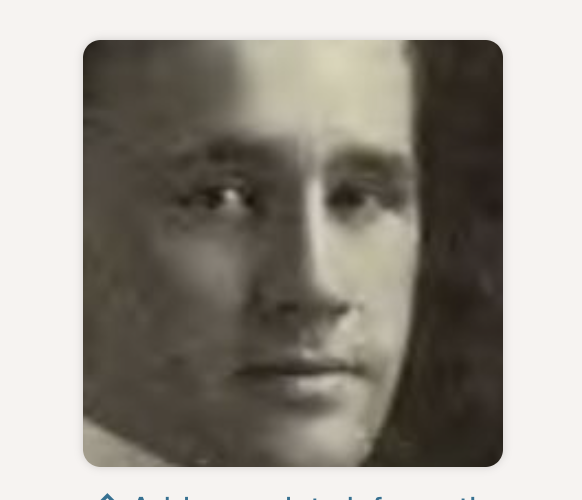
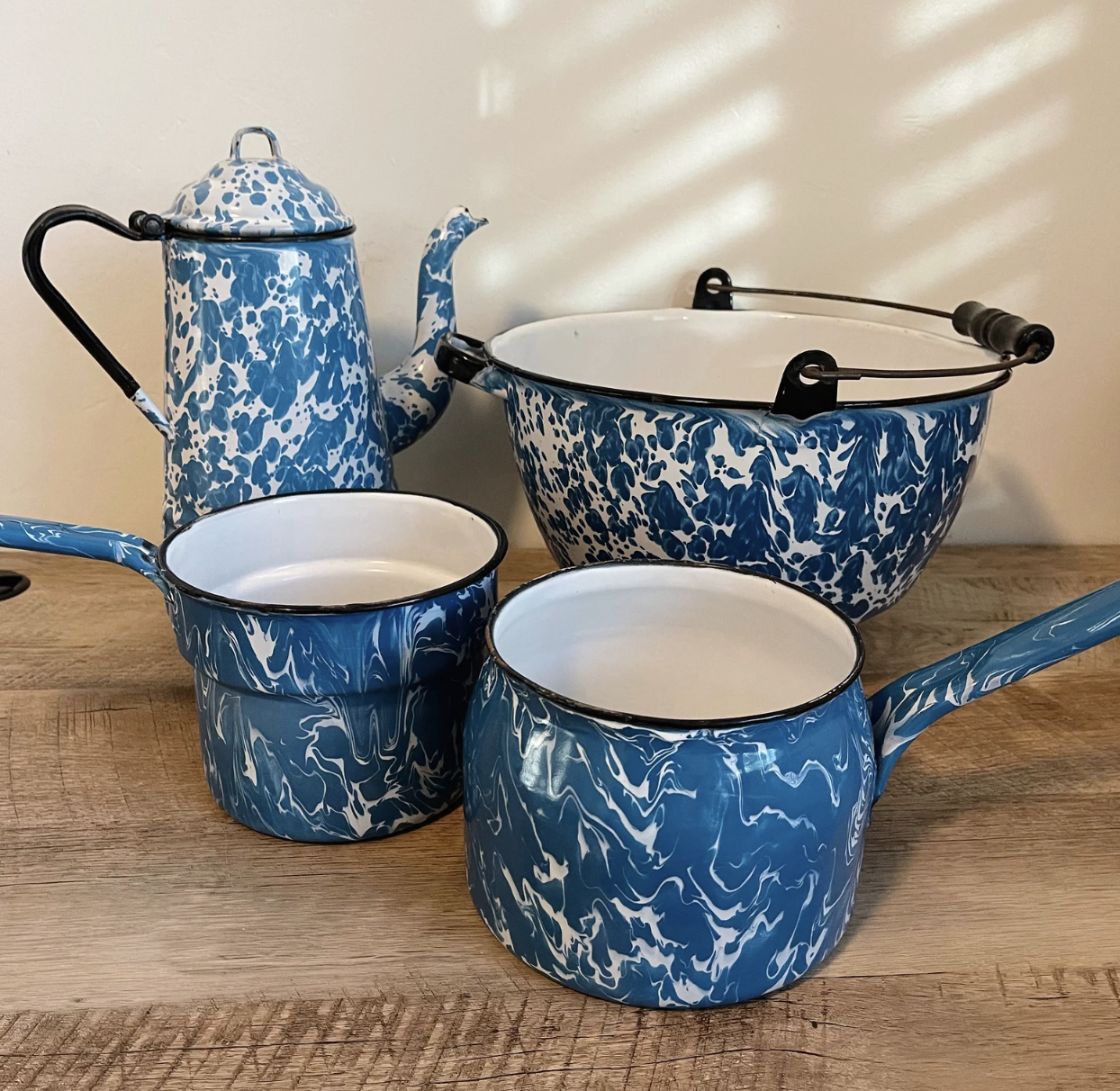
It appears that this home was rented by Dr. Norman Herbert Niedringhaus (1890-1986) and his wife Blossom Walker Niedringhaus (1890-1979) in the 1930s and 1940s. The couple married in 1913 and had one daughter, Dorothy. Norman graduated from Washington University and became a dentist. He was the nephew of Frederick and William Niedringhaus, founders of Granite City and the Granite City and inventors of Granite Ironware.
*

*

*
Location of This Victorian Home For Sale For $125,000
History of Granite City, Illinois
Founding and Early Development:
- Granite City, Illinois, was founded in 1896 by brothers William and Frederick Niedringhaus. The city was named for the graniteware kitchen utensils produced by their company, the Graniteware Steel Company.
- The Niedringhaus brothers initially purchased land in the area for the purpose of building a new plant and creating a company town to house their workers.
Industrial Growth:
- The establishment of the Graniteware Steel Company, later known as the National Enameling and Stamping Company (NESCO), attracted many workers and their families to the area, fostering rapid growth.
- By the early 20th century, Granite City had become a thriving industrial town, with additional industries including steel mills, railroads, and other manufacturing facilities setting up operations in the area.
Economic and Social Development:
- The city’s industrial base continued to grow, and by the mid-20th century, Granite City was home to a diverse population, including significant numbers of European immigrants who came seeking employment opportunities.
- The local economy was heavily dependent on the steel industry, which provided jobs and contributed to the city’s prosperity. This also led to the development of infrastructure, schools, and other civic amenities to support the growing population.
Challenges and Changes:
- In the latter half of the 20th century, Granite City faced economic challenges due to the decline of the American steel industry. The closure and downsizing of major industrial plants led to job losses and economic difficulties for the community.
- Despite these challenges, the city has worked to diversify its economy and revitalize its downtown area. Efforts have been made to attract new businesses and industries to mitigate the impacts of industrial decline.
Cultural and Community Development:
- Granite City is known for its strong sense of community and cultural heritage. The city has various cultural institutions, including the Granite City Art and Design District (GCADD), which promotes local art and culture.
- The community hosts several annual events and festivals, celebrating its history and fostering community spirit.
Modern Granite City:
- Today, Granite City is a mix of residential neighborhoods, industrial areas, and commercial districts. While the city still faces economic challenges, it continues to work towards economic redevelopment and community improvement.
- Granite City remains an important part of the St. Louis metropolitan area, offering a suburban lifestyle with close proximity to the amenities and job opportunities of a larger city.
Key Historical Points:
- 1896: Founding of Granite City by the Niedringhaus brothers.
- Early 1900s: Rapid industrial growth and population increase due to the establishment of steel and manufacturing industries.
- Mid-20th Century: Economic prosperity driven by the steel industry.
- Late 20th Century: Economic challenges due to the decline of the steel industry.
- Present Day: Efforts towards economic diversification and community revitalization.
Granite City’s history is deeply intertwined with the rise and fall of the American steel industry, shaping its economic, social, and cultural development over the years.

*

*

*

*

*

*

*

*

*

*

*

*

*

*

*

*

*

*

*

*

*
*You May Also Like
Cute Detached Stone House For Sale in France Under $82K
August 6, 2025
c.1928 Affordable Texas Home With Interesting Interior $70K
July 14, 2025