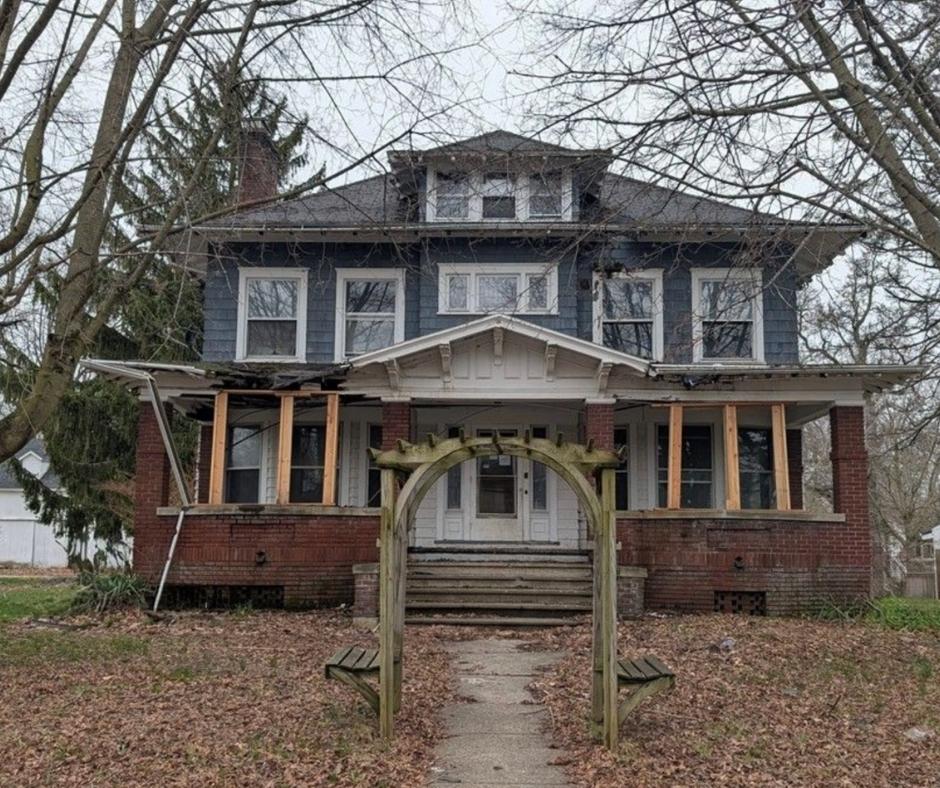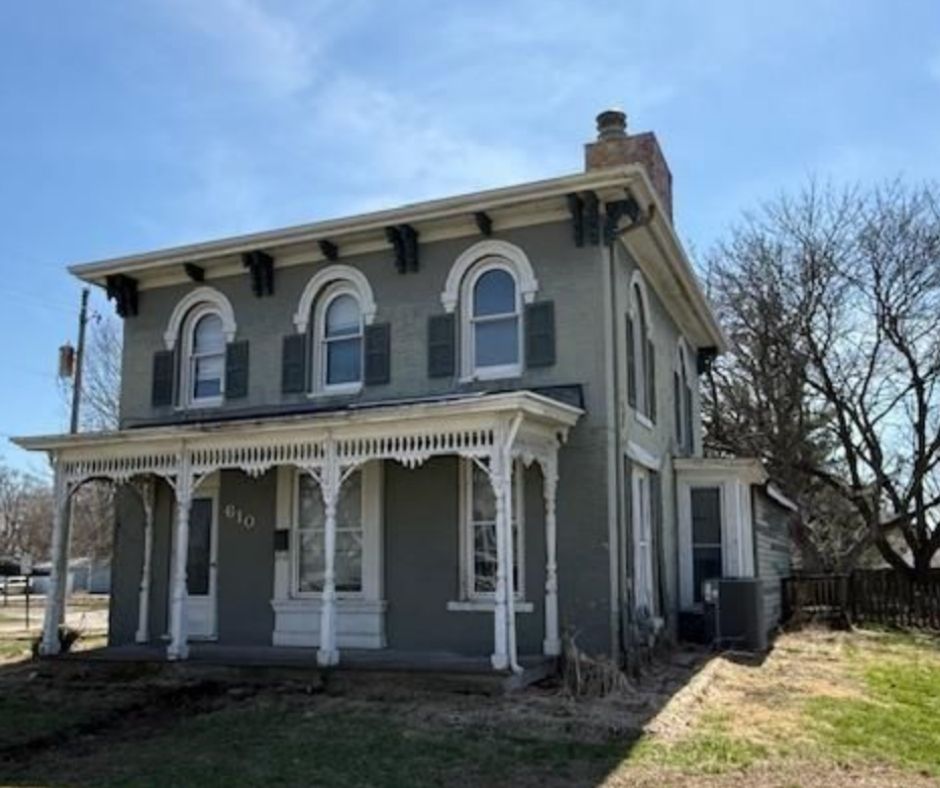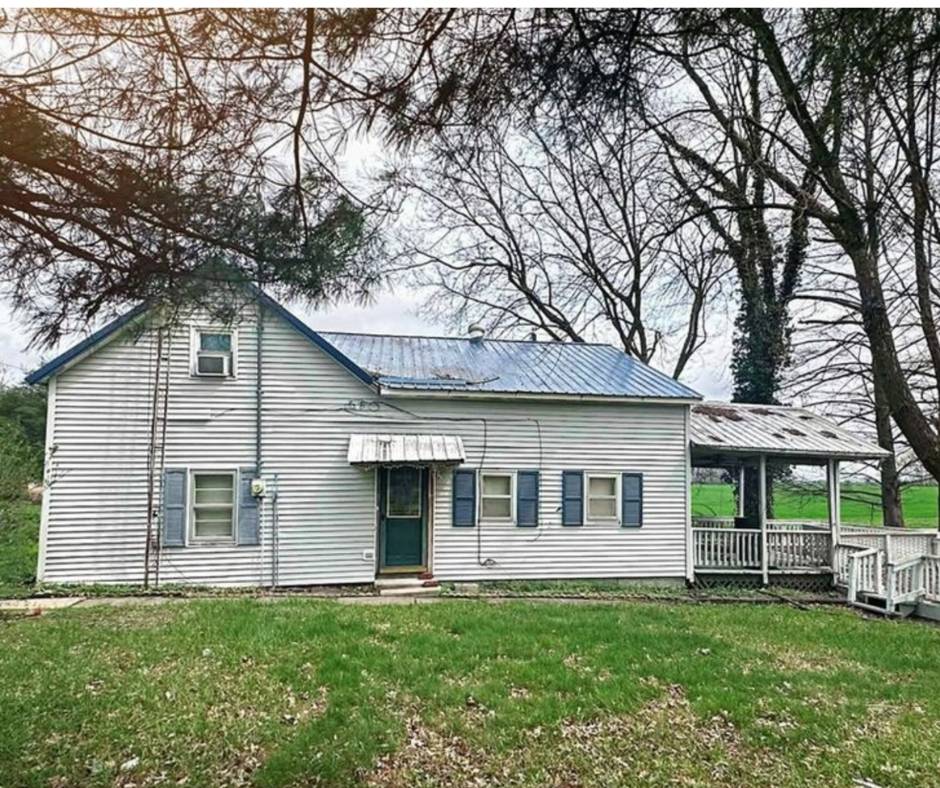
c.1900 Illinois Starter Home For Sale Under $30K
$29,900
This inviting Illinois starter home offers three bedrooms and two bathrooms, with a convenient main-floor primary suite for easy living. Upstairs, you’ll find two additional bedrooms, creating the perfect separation of space for family, guests, or a home office.

Realtor Comments
Welcome to this fixer upper full of potential in Willow Hill, IL – This home is situated on a corner lot. Home is being sold AS IS. *Room size and square footage of home is approximate.*
- bed
- bath

211 E Main St, Willow Hill, IL 62480
If interested in a property, please contact the realtor whose link is provided in the post below, or contact an agent of your own choosing. Independent verification of details and status is recommended.
Contact Realtor: Alicia (Schuette) Winskill
Brokered by Full Circle Realty

Pros of living in Willow Hill
1. Very low cost of living
- Housing and everyday expenses are well below the national average
- Good option if you want to save money or buy cheap property
2. Quiet, rural lifestyle
- Population is tiny (around 170–190 people)
- Peaceful, low-traffic, minimal noise
- Strong “everyone knows everyone” small-town feel
3. Affordable housing opportunities
- Homes are generally inexpensive and easier to afford than in cities
- Less competition compared to urban markets
4. Slower pace of life
- Good for retirees or people who want to get away from busy city life
- Less stress, more space, closer to nature
Cons of living in Willow Hill
1. Very limited amenities
- Few (if any) restaurants, shops, entertainment options nearby
- You’ll need a car for almost everything
2. Extremely small population
- Around 172 residents
- Limited social life, fewer opportunities to meet people
- Less diversity compared to larger towns
3. Fewer job opportunities
- Local economy is very limited (mostly agriculture/rural work)
- Most people commute to nearby towns for work
4. Limited services (healthcare, schools, etc.)
- You’ll likely need to travel to nearby towns for:
- Hospitals
- Larger grocery stores
- Better schools or services
5. Economic challenges
- Lower median incomes and higher poverty rates compared to national averages
6. Not much growth or development
- Population has stayed flat over time
- Fewer new businesses, slower infrastructure improvements

*

*

*

*

*