c.1910 Two Bedroom Affordable Georgia Home For Sale $48K
$48,000
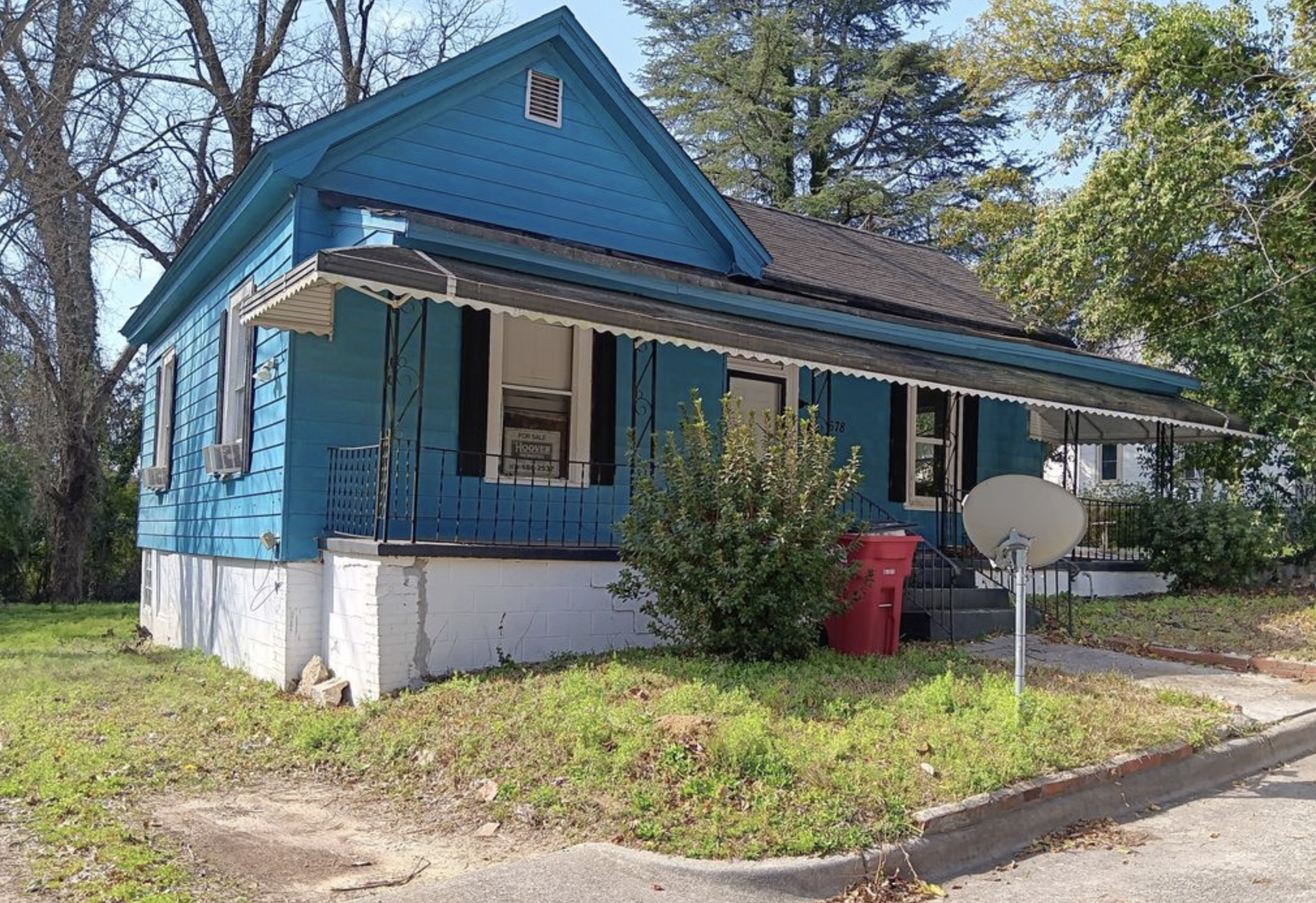
Step into this affordable Georgia home with spacious interiors, offering 2 comfortable bedrooms and a full bath. The combined living and dining space creates a welcoming flow, while updates like newer windows, updated flooring, and tiled kitchen and bath add modern appeal.

Realtor Comments
Nice front porch & level back yard. Convenient to interstate, shopping, Mercer University, etc..
- bed
- bath
- Circa 1910

678 Dixie Ave, Macon, GA 31206
If interested in a property, please contact the realtor whose link is provided in the post below, or contact an agent of your own choosing. Independent verification of details and status is recommended.
Contact Realtor: Angela Hoover
Brokered by Hoover Properties

Pros
- Lower cost of living: Housing, groceries, and many everyday expenses are generally cheaper than the national and Georgia metro averages, so your dollar stretches further.
- Affordable housing market: You can find lower-priced homes and rentals compared with Atlanta or other larger cities, making homeownership more accessible.
- Central Georgia location: Macon sits roughly midway between Atlanta and Savannah; I-75 and I-16 nearby make weekend travel to larger cities or the coast convenient.
- Rich music and cultural history: Strong musical legacy (Otis Redding, Little Richard, The Allman Brothers), active music venues, museums, and festivals (e.g., Music Week, Cherry Blossom Festival).
- Historic architecture and neighborhoods: Large inventory of Victorian, Antebellum, and early 20th-century homes; attractive historic districts and walkable streets in parts of the city.
- Growing arts scene: Galleries, performing arts groups, community theaters, and several active arts organizations.
- Mild winters: Generally mild climate in winter—rare snow—if you prefer less severe winter weather.
- Community feel and smaller-city pace: Slower pace and smaller-city conveniences can be appealing if you want less congestion and a more relaxed lifestyle.
Cons
- Economic challenges and job market: Overall job market lags behind metro areas; fewer high-paying, diverse employment opportunities—many people commute or relocate for specialized careers.
- Crime and safety concerns: Certain neighborhoods experience higher crime rates than state or national averages; it’s important to research specific areas.
- Public transit limitations: Limited public transit options—car ownership is typically necessary for day-to-day life.
- Hot, humid summers: Long, hot, humid summers with frequent high temperatures and high humidity levels.
- Schools vary: Public school quality varies by district and neighborhood; you’ll want to check specific schools or consider private options.
- Limited cultural and nightlife options compared to bigger cities: While there’s a notable local music and arts scene, it’s smaller and less varied than larger metropolitan areas.
- Fewer healthcare and specialty services: While basic and many specialty health services exist, the most advanced care may require travel to larger cities (e.g., Atlanta).
- Economic development and infrastructure: Parts of the city still face blight, vacant properties, and infrastructure needs—neighborhood-specific conditions differ widely.

*

*

*

*

*

*

*

*

*

*

*

*

*