c.1926 Three Bedroom Georgia Brick Home For Sale $183K
$183,000

Realtor Comments
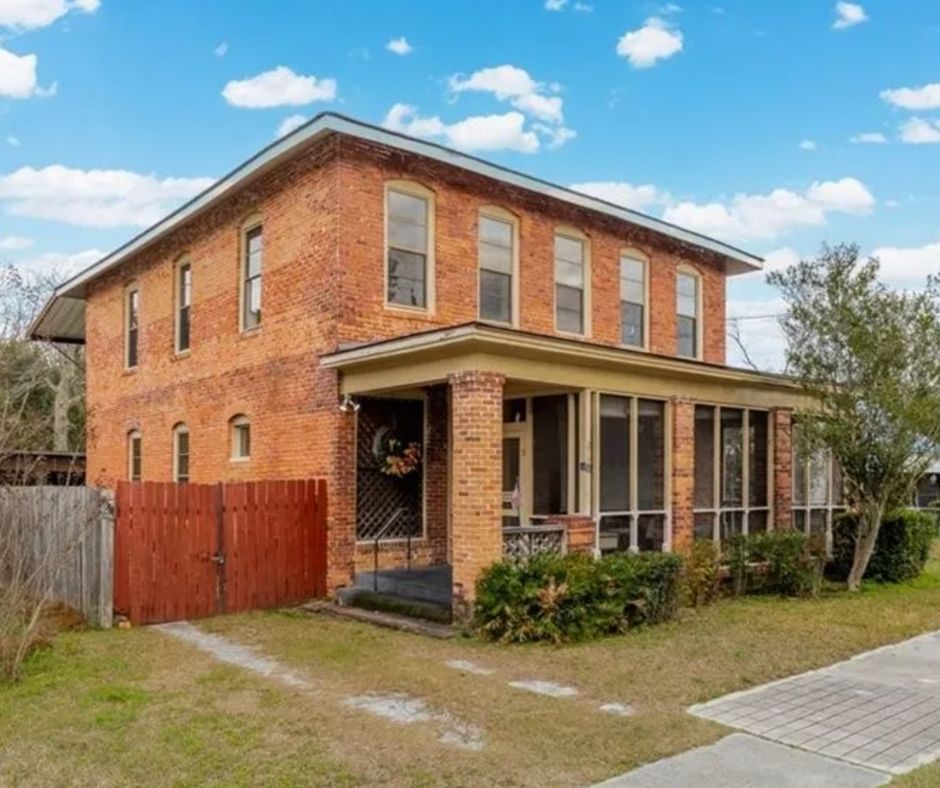
Built in 1926, this well built two story brick home at 212 Butler Avenue offers timeless character with modern comfort. With 3 bedrooms and 2 baths, the home features a spacious layout, large bedrooms, central HVAC, and an open kitchen that blends functionality with charm. Solid construction and classic brick exterior reflect the craftsmanship of an earlier era. An upstairs balcony overlooks the fenced backyard, and an additional open building in the rear provides flexible space for storage, workshop, or creative use. This is a home with substance, history, and room to make your own.
- bed
- bath
- Circa 1926

212 Butler St, Waycross, GA 31501 $183,000
If interested in a property, please contact the realtor whose link is provided in the post below, or contact an agent of your own choosing. Independent verification of details and status is recommended.
Contact Realtor: Audra Padgett

Pros
- Affordability: Lower housing costs and overall cost of living compared with larger Georgia cities; good value for buyers and renters.
- Small-town community feel: Close-knit, friendly atmosphere with local events, churches, and civic groups that foster strong community ties.
- Access to nature and outdoor recreation: Close to the Okefenokee Swamp and other natural areas—great for boating, fishing, birdwatching, and outdoor enthusiasts.
- Short local commutes: Light traffic and quick drives around town make daily errands and commutes easy.
- Historic downtown and local culture: A walkable downtown with historic architecture, local shops, festivals, and community activities.
- Regional transportation hub: Interstate and rail access can make regional travel and some types of commerce convenient.
- Growing local services: Steady local investment in public services and amenities in parts of the city.
Cons
- Limited job market locally: Fewer diverse, high-paying employment opportunities; many residents commute or look outside the city for specialized careers.
- Fewer entertainment and dining options: Limited nightlife, cultural venues, and specialized dining compared with metropolitan areas.
- Healthcare availability: Basic medical services are available locally, but for specialty care or major hospitals you may need to travel to larger cities.
- Public transportation is limited: A car is typically required for daily life; transit options are minimal.
- Economic variability: Parts of the city face economic challenges and visible signs of disinvestment; neighborhood quality can vary—research specific areas.
- Climate and weather risks: Hot, humid summers and the potential for tropical storms or hurricanes in the region during season.
- Educational and cultural resources: Fewer higher-education institutions, museums, and large-scale cultural programming compared with larger cities.
- Infrastructure and broadband: Some areas may have limited high-speed internet options or other infrastructure shortcomings—important for remote workers to verify.


 **
**