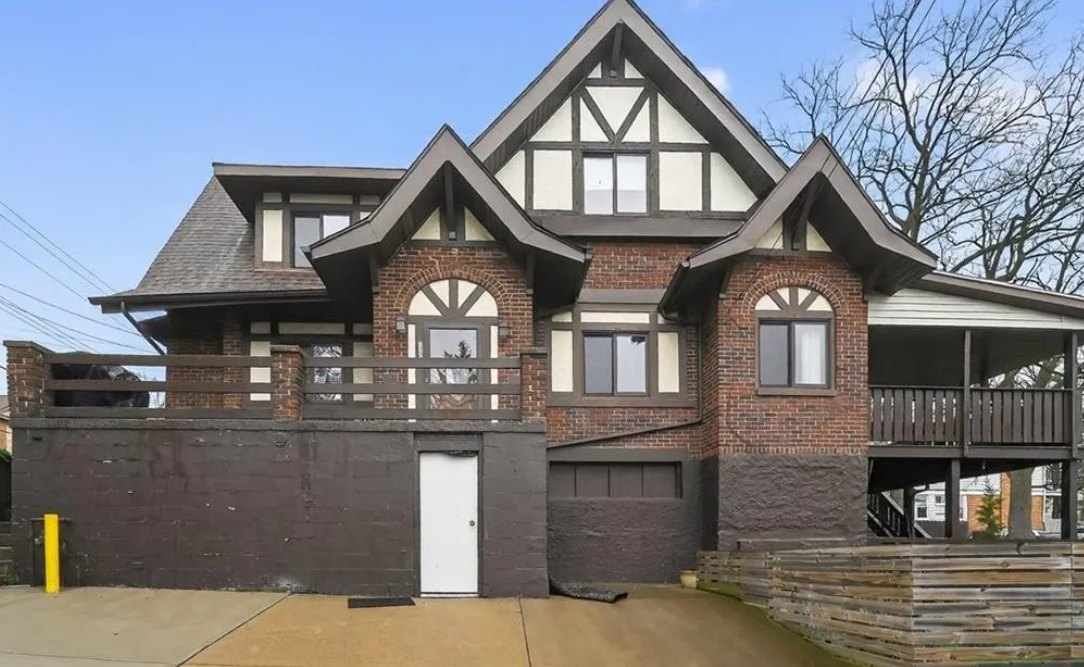
c.1933 Pennsylvania Brick Tudor Home $170,000
OHU50K Notes $170,000
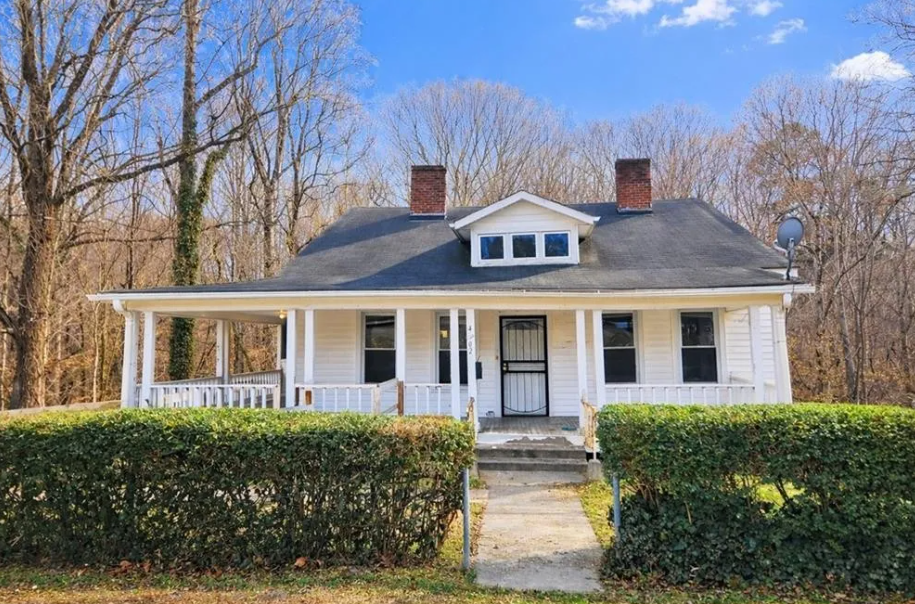
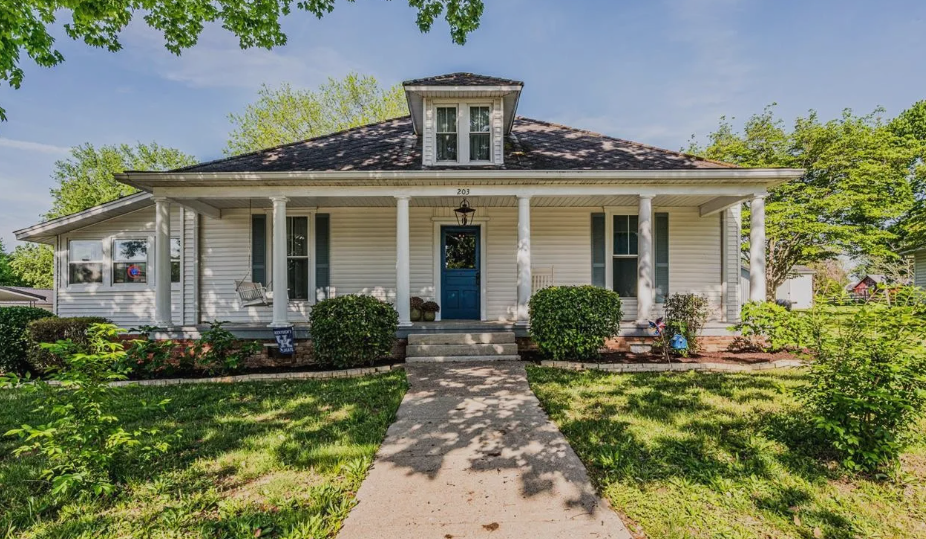
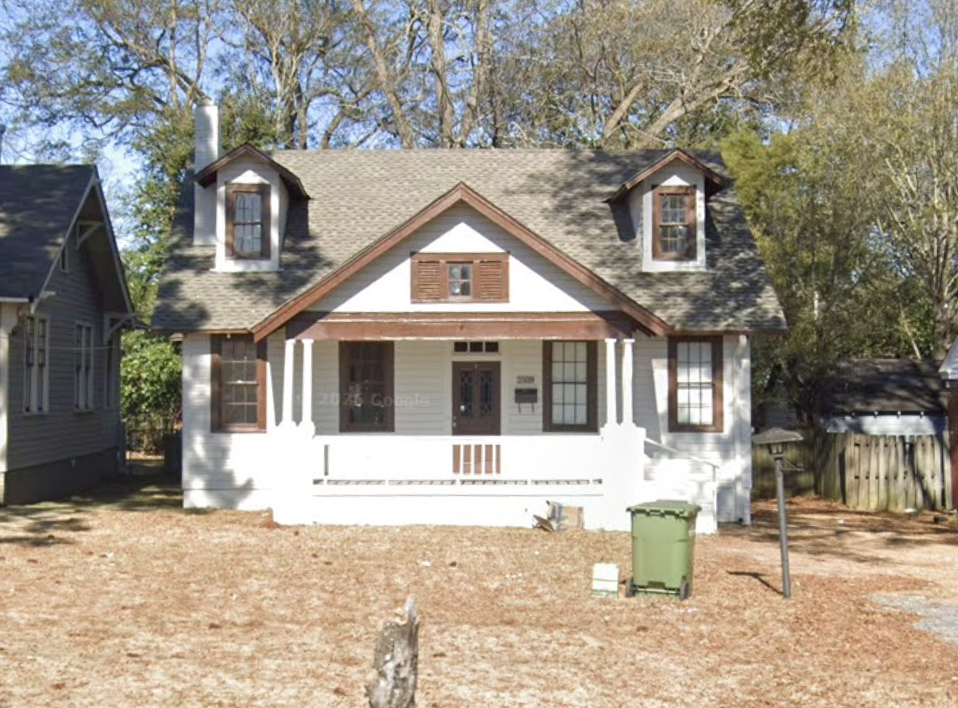
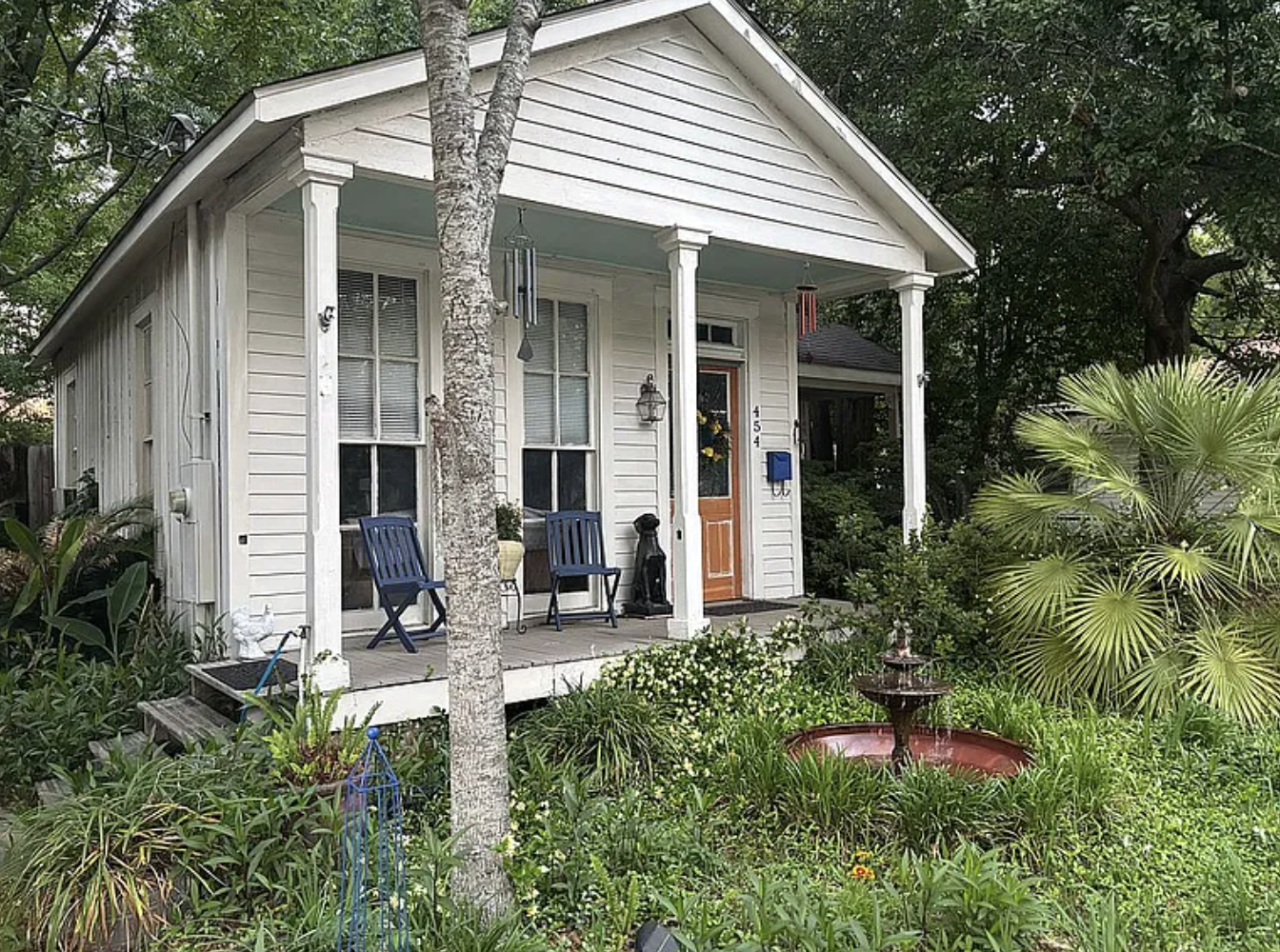
c.1933 Pennsylvania Brick Tudor Home. Cozy and comfortable home for sale on a corner lot close to public transit and dining options. This home has large updated rooms.

Realtor Comments
Welcome to 2900 Churchview Ave. A classic, Tudor-style home situated on a corner lot in Brentwood Borough. This 3-bedroom, 2 full bath property is in need of attention and cosmetic work and is priced for its present condition. Comfortable room sizes, first floor bedroom, fenced-in yard, covered side deck, eat-in kitchen, two off-street parking spots and plenty of curb appeal in a convenient location. Newer roof, newer furnace, and newer plumbing stack. This home has so much potential! It needs just a little love to make it your own. Do not miss out on this opportunity to own this beautiful Tudor-style home.
- bed
- bath
- Build date 1920

If interested in a property, pleases contact the realtor whose link is provided in the post below, or contact an agent of your own choosing. Independent verification of details and status is recommended.
2900 Churchview Ave, Pittsburgh, PA 15227 $170,000
- Contact Realtor: Amanda Gomez
- Google Map
- Niche


Pros
- Still relatively affordable for a real metro city
Compared with places like NYC, Boston, DC, Seattle, or even increasingly expensive Sun Belt cities, Pittsburgh housing is still comparatively attainable. - Strong healthcare, education, and tech economy
The city reinvented itself after the steel collapse. Major anchors include:- Carnegie Mellon University
- University of Pittsburgh
- UPMC
Healthcare, robotics, AI, research, and higher education are huge employers.
- Neighborhoods have real personality
Pittsburgh feels like many mini-cities stitched together:- Lawrenceville = trendy/artsy
- Shadyside = upscale/walkable
- Squirrel Hill = family-oriented + diverse
- South Side = nightlife
- Strip District = food/markets
- Bloomfield = old-school neighborhood vibe
The city has far more character than many newer metros.
- Beautiful geography
The hills, rivers, bridges, and skyline views make Pittsburgh visually distinctive. It feels dramatic in a way many flatter cities don’t. - Great sports culture
The city is intensely loyal to the:- Pittsburgh Steelers
- Pittsburgh Penguins
- Pittsburgh Pirates
Sports are woven into local identity.
- Good urban-nature balance
Large parks, river trails, and quick access to outdoor recreation are major perks. You can get from city neighborhoods to hiking or kayaking fairly quickly. - Food scene is underrated
Pittsburgh has quietly developed a strong restaurant and brewery culture beyond just Primanti Bros stereotypes. - Friendly / unpretentious culture
A lot of transplants mention locals being more grounded and approachable than in many coastal cities.
Cons
- The weather is brutally gray
This is probably the most repeated complaint. Winters aren’t just cold — they’re cloudy, wet, and gloomy for long stretches. Seasonal depression is a real issue for some residents. - Infrastructure can be rough
Pittsburgh has:- potholes
- aging bridges
- old tunnels
- difficult roads
- outdated systems
The city’s geography makes maintenance expensive and complicated.
- Driving can be confusing and frustrating
The hills, tunnels, bridges, and strange road layouts are notorious. Newcomers often feel disoriented for months. - Public transit is mixed
Better than many similarly sized U.S. cities, but inconsistent and limited compared with NYC/DC/Chicago. You can live car-free in some neighborhoods, but not everywhere. - Crime varies a lot by neighborhood
Some areas are very safe; others struggle with violent crime and disinvestment. Neighborhood choice matters heavily. - Air quality concerns
Pittsburgh’s industrial legacy still affects air quality at times, especially in certain river-valley areas. - Nightlife is decent, not elite
It’s not a “city that never sleeps.” Some younger residents eventually feel the entertainment scene is smaller than major metros. - Some wages lag behind newer boom cities
Cost of living is lower, but salaries in some industries are also lower than top-tier metros.