c.1940 North Carolina Handyman Special Mill House For Sale $40K
OHU50K Notes $40,000
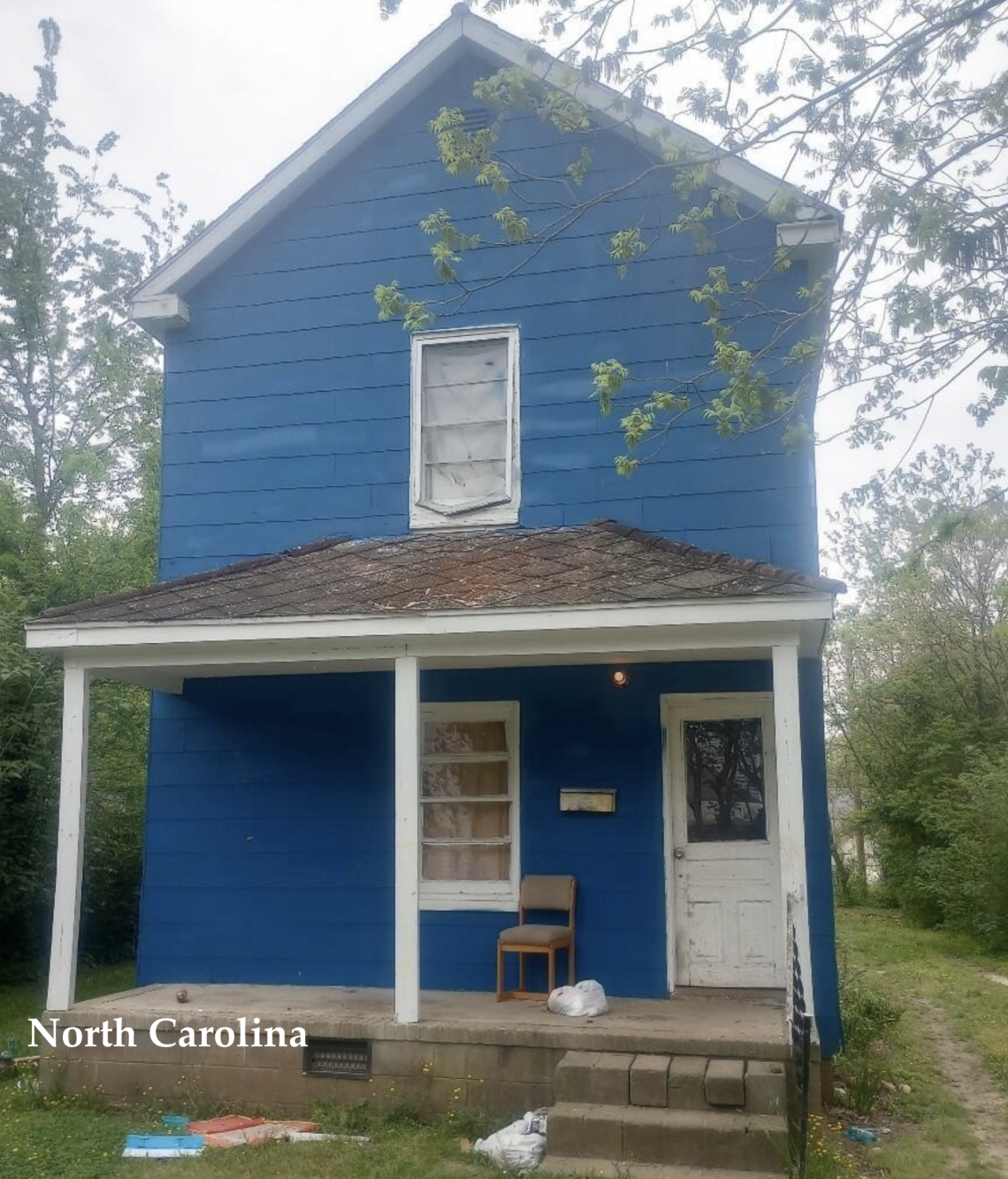
This North Carolina handyman special mill house is one of many of the same style house on the block. The three bedroom, one bath home offers a front porch, cheap real estate taxes, and public sewer.

Realtor Comments
Located in charming rural Eastern NC; this property is a golden opportunity for savvy investors! Motivated Seller: Act now and seize this investment opportunity. Immerse yourself in the rich heritage of Roanoke Rapids with a property that adds a touch of history to your portfolio. Prime Location: Nestled in a sought-after neighborhood. Investment Potential: This property presents a canvas for your investment vision. Whether you’re looking to renovate and flip or add to your rental portfolio, the possibilities are vast. Why Roanoke Rapids? Roanoke Rapids offers a unique blend of history, community, and investment potential. Discover the perks of investing in this area. Don’t miss out on this incredible opportunity. Schedule a viewing today and explore the possibilities this property holds for your investment journey.
- 3bed
- 1bath
- 1,200sqft
- 6,534sqft lot
- Circa 1940

810 Vance Street, Roanoke Rapids, NC 27870 $40,000
If interested in a property, please contact the realtor whose link is provided in the post below, or contact an agent of your own choosing. Independent verification of details and status is recommended.

Mill Houses
Roanoke Rapids, NC, has a rich history as a textile mill town, and the textile mill houses are a significant part of that heritage. These houses were built primarily in the early 20th century to accommodate the workers employed by the numerous textile mills in the area. Here is a detailed description of the Roanoke Rapids textile mill houses:
Architectural Features
- Style
- The textile mill houses in Roanoke Rapids typically reflect the architectural styles prevalent during the early 1900s, such as Colonial Revival, Craftsman, and simple vernacular designs.
- Construction
- Most houses are modest, single-story or one-and-a-half-story structures made from wood. They often feature clapboard siding, gable roofs, and front porches.
- Layout
- These homes were designed to be functional and efficient, usually containing two to three bedrooms, a living area, a kitchen, and a bathroom. The floor plans are straightforward and practical.
- Uniformity
- There is a noticeable uniformity in the design and layout of the houses, which was typical of mill villages to create a cohesive community appearance and to streamline construction.
Historical Context
- Mill Villages
- The textile mill houses were part of larger mill villages developed by the textile companies. These villages included amenities such as schools, churches, and stores to support the mill workers and their families.
- Community Living
- Life in these mill villages fostered a strong sense of community among the workers. The close proximity of the houses and shared community spaces encouraged social interaction and mutual support among residents.
Modern-Day Roanoke Rapids Mill Houses
- Preservation
- Many of the original textile mill houses have been preserved and maintained, serving as a reminder of the town’s industrial past. Some houses have been restored to maintain their historical integrity while updating them for modern living.
- Residential Use
- These houses continue to serve as residences, providing affordable housing options within Roanoke Rapids. Some have been renovated to include modern amenities while retaining their historical charm.
- Cultural Significance
- The textile mill houses are a significant part of Roanoke Rapids’ cultural and historical landscape. They attract interest from historians, tourists, and those interested in the heritage of the American South.
Challenges and Opportunities
- Maintenance
- Maintaining and restoring older homes can be challenging due to the costs and expertise required. Preservation efforts often rely on community interest and support.
- Economic Development
- The historical significance of the mill houses can be leveraged for tourism and cultural heritage projects, contributing to the local economy.
- Community Revitalization
- Efforts to revitalize and repurpose these mill houses can enhance the quality of life for residents, preserve local history, and attract new residents or businesses interested in historical properties.
The textile mill houses of Roanoke Rapids stand as a testament to the town’s industrial heritage, offering a glimpse into the lives of the mill workers and the communities they built. While they face challenges common to older structures, they also present unique opportunities for preservation and revitalization.


*
You May Also Like
c.1910 New York Handyman Special For Sale Under $50K
August 5, 2025
Cute c.1900 Affordable Iowa Home For Sale $46K
September 6, 2024