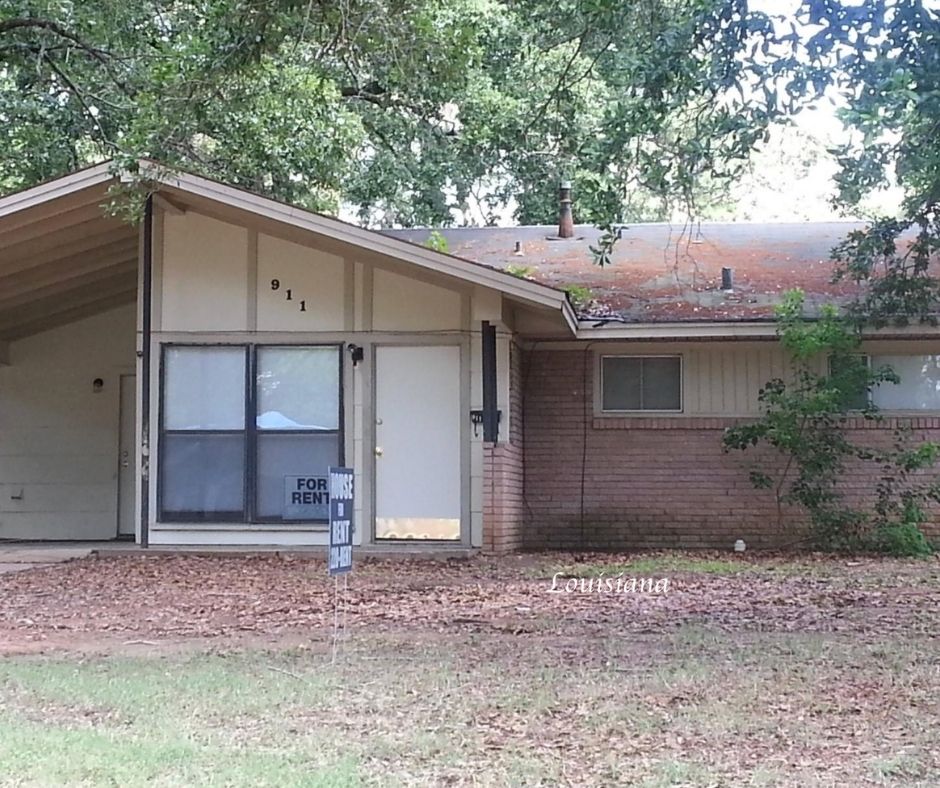
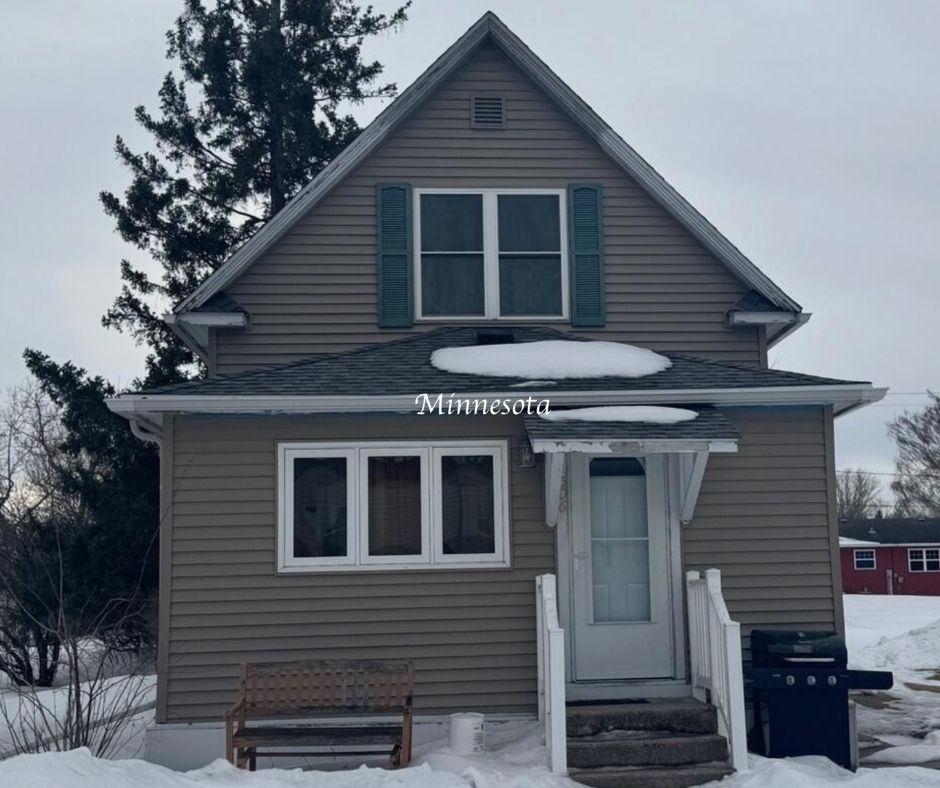
If interested in a property, please contact the realtor whose link is provided in the post below, or contact an agent of your own choosing. Independent verification of details and status is recommended.
Affordability: Generally lower cost of living and more affordable housing compared with many other Southern metro areas.
Value in housing: More home for your money, with a range of options from historic neighborhoods to newer suburbs.
Cultural scene: Rich local culture with museums, live music, theaters, and festivals (for example, riverfront events, Cajun/Creole cuisine, and Southern hospitality).
Entertainment and dining: Casinos along the Red River, diverse dining options, and family-friendly attractions like the Louisiana Boardwalk, Red River Revel, and science/history museums.
Waterways and outdoor activities: Access to the Red River and nearby parks, trails, golf courses, and outdoor recreation.
Education and institutions: Several higher-ed options nearby (Centenary College of Louisiana, LSU Shreveport, LSUS) and a mix of public/private schools.
Healthcare options: A number of hospitals and medical centers serving the region.
Location perks: Reasonable drive times to Dallas/Fort Worth area for weekend trips or business, and relatively easy access to rural and lake regions in northwest Louisiana.
Cons
Climate: Humid subtropical climate with hot, long summers and high humidity; winters are mild but can be damp and occasionally icy.
Weather risks: Occasional severe weather and storm risk; potential for flooding in certain neighborhoods; hurricane-related impacts can be indirect.
Crime in some areas: Like many cities, some neighborhoods experience higher crime rates; safety can vary widely by enclave.
Job market concentration: While healthcare, education, and government are present, overall job diversification can be more limited than in bigger metro areas.
Education quality variance: Public school quality varies by district; some families pursue private schools or homeschooling for specific needs.
Traffic and commuting: Notable local traffic during peak times, particularly near interstates and entertainment districts; more urban density in a few pockets but generally manageable compared with larger cities.
Public services and amenities: Some residents feel downtown infrastructure and maintenance could be improved; ongoing investment varies by neighborhood.
Cultural fit: The pace and vibe may feel slower or more regional if you’re used to large, cosmopolitan cities or fast-paced tech hubs.
Seasonal amenities: While there are cultural events, the scale and frequency of big-city amenities (e.g., major league sports, large international events) are smaller.