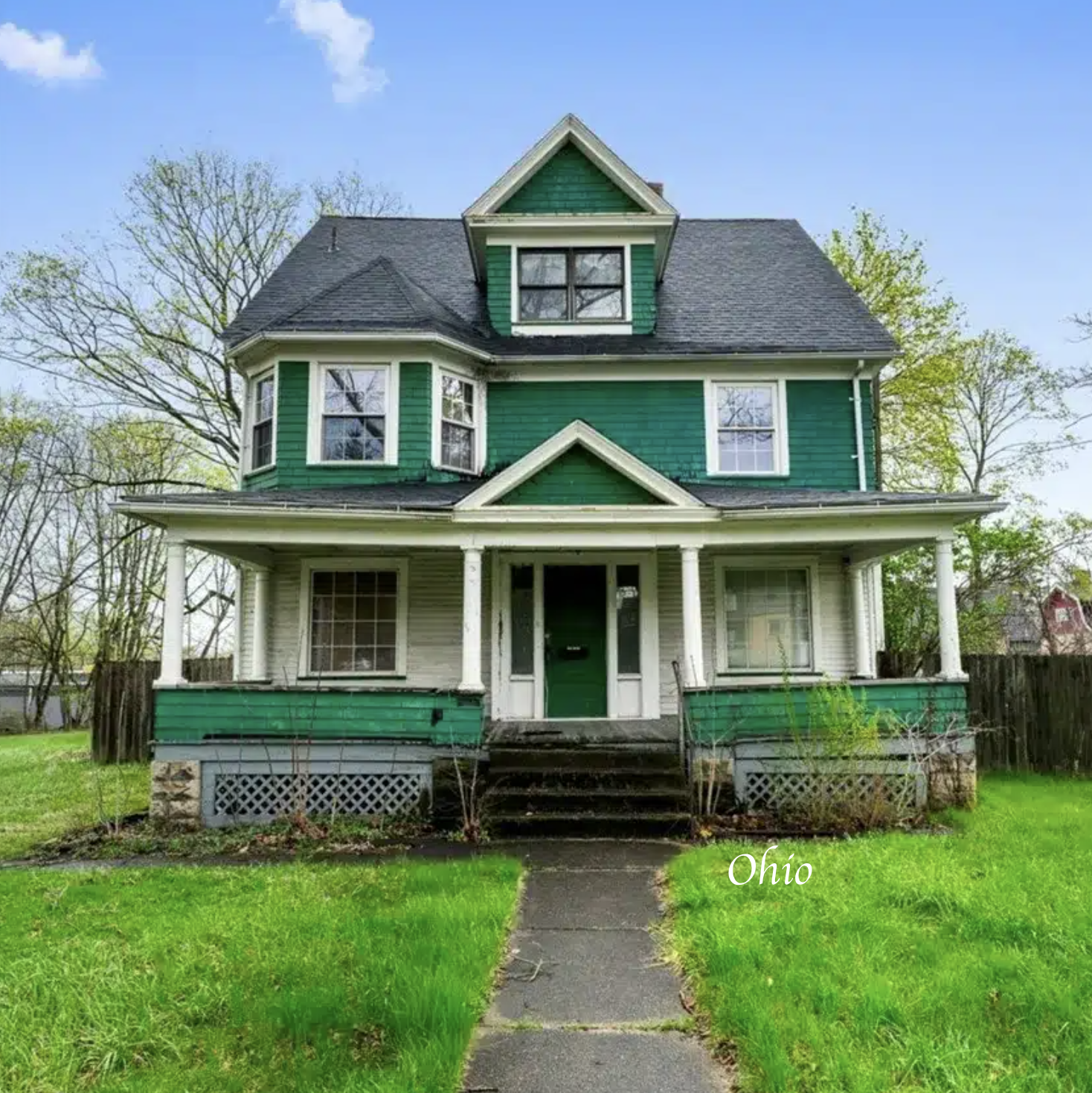
c.1915 Three Bedroom Georgia Fixer Upper Under $55K
OHU50K Notes $54,900
Here is a three-bedroom, one-bath Georgia fixer upper with a metal roof, wrap-around porch, hardwood floors, fireplace and beadboard. The home sits on a corner quarter acre lot opposite a church.

Realtor Comments
A fixer upper needs major renovation large corner lot.
- 3 bed
- 1 bath
- Build date 1915

307 Gaskins St, Nashville, GA 31639 $54,900
- Contact Realtor: Jonathan Keen
- Google Map
- Niche


Pros
Low Cost of Living
Overall cost of living in Nashville, GA is well below the national average.
Housing is especially affordable — housing costs are ~50% lower than the U.S. average.
Smaller Town / Rural Appeal
More of a small‑town, slower pace, less congestion. Good for people who prefer quieter living, more land, less hustle and bustle.
Likely stronger sense of local community, neighbor interactions more personal.
Lower Household Costs in Key Areas
Transportation, utilities, groceries are relatively reasonable compared to bigger cities.
Goods & services, healthcare are pretty close to average or slightly below in many metrics.
Decent Crime Profile (Relative in Some Categories)
For violent crime, some longer‑term data shows rates below or comparable to U.S. averages over multiple years.
The small size may make policing more personal, or neighborhoods more definable; you may be able to choose safer parts more easily.
Rural / Nature / Simplicity
More opportunity for land, gardens, less noise, possibly fewer environmental hassles like traffic, smog.
For some people the appeal of living close to nature and away from big city problems (traffic, noise, crowds) is strong.
Cons
Crime Rates Are Concerning in Some Areas
Property crime in particular is high: 2,404.53 property crimes per 100,000 in 2024.
Violent crime is also non‑trivial: ~424 violent crimes per 100,000 residents in 2024.
As with many small towns, risk varies a lot by neighborhood. Some areas are much better than others.
Limited Amenities / Entertainment
Smaller towns often don’t have as many entertainment options, specialty shops, or cultural events as larger cities. Might mean traveling for some services.
Fewer public transit options; you’ll likely need a car for most things.
Economic Opportunity & Job Market Constraints
Fewer large employers. Jobs may be more in agriculture, retail, small business; less diversity in professional / high‑paying industries.
Wage levels tend to be lower to match the cost of living, so for high‑earning or specialized professionals, there may be less opportunity.
Growth / Innovation Limitations
Because of size and rural location, less likelihood of fast economic growth, innovation hub presence, etc.
Infrastructure investment (internet, public services, etc.) may lag compared to urban/suburban areas.
Transportation / Travel Distance Issues
If you need to travel often (for work, healthcare, cultural reasons) you may face long drives. Access to big airports or large specialized medical care may be less convenient.
Possible Trade‑offs in Services
Health care quality and variety may be more limited locally; some specialists may be far.
Schools may be more limited in course variety; extracurriculars, resources might not match those in larger districts.