
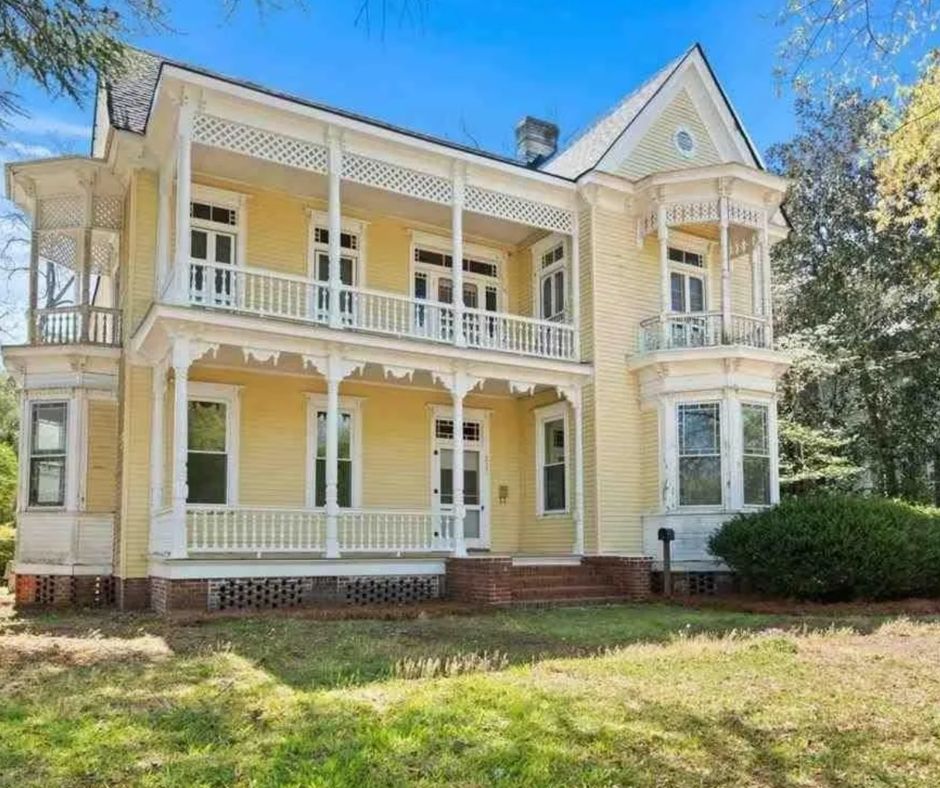
c.1890 Historic South Carolina Queen Anne Under $150K
$149,900
This c.1890 historic South Carolina Queen Anne preserves an abundance of its historic character, including stained glass windows, soaring 12-14 foot ceilings, 8 fireplaces with mantels, butler’s pantry, and original flooring throughout much of the home.

Realtor Comments
- bed
- bath

If interested in a property, please contact the realtor whose link is provided below, or contact an agent of your own choosing. Independent verification of details and status is recommended.
Contact Realtor: Maxwell P Davenport RE/MAX PROFESSIONALS
237 W Broad St, Darlington, SC 29532. $149,900

History
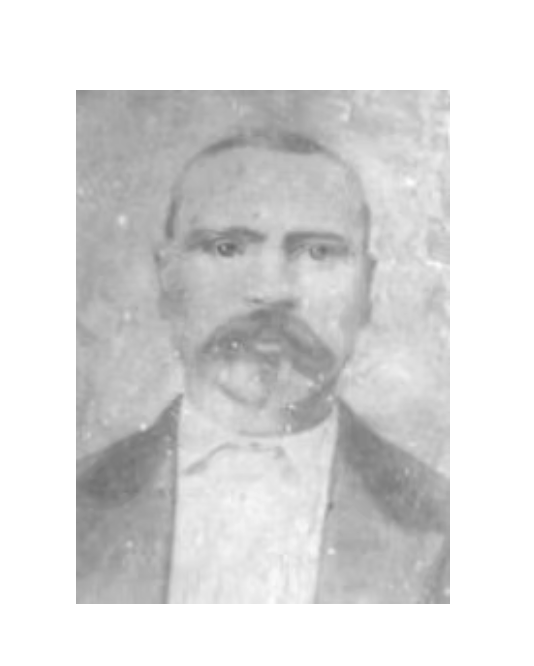
E. T. West
Architect Lawrence Reese
Lawrence Reese (1865-1915), the youngest of nine children, was born in Marlboro County to Richard and Fannie Reese. Growing up, he learned practical skills like fishing and farming, but most importantly, he was trained in carpentry by his older brothers, who worked as builders and craftsmen.
In his early twenties, Reese relocated to Darlington, where he continued to develop his abilities in construction. Over time, he became known locally for his skill and attention to detail. He also made an effort to study new architectural styles, blending those influences with his own distinctive design elements.
After settling in Darlington, he married Lula Aiken, and together they raised eight children—four sons and four daughters. Reese made his living building homes, beginning with a house on property owned by Lula’s parents, Dr. and Mrs. McGirt. The final home he constructed, located at 434 West Broad Street, still features its original hardwood flooring.
Reese’s life ended unexpectedly in 1915 when he suffered a heart attack. His legacy, however, lived on through his children: his sons carried on the carpentry tradition, while his daughters found success in professions such as teaching and nursing. Today, the historic homes along West Broad Street stand as lasting evidence of his craftsmanship and lasting influence on the Darlington community

Pros and Cons
Pros
- Lower cost of living: Housing, utilities, and general expenses are typically lower than state and national averages, making it attractive for buyers or retirees on fixed incomes.
- Small‑town feel: Close‑knit community, quieter neighborhoods, and a slower pace of life compared with larger cities.
- Proximity to larger cities: Roughly 70–90 minutes from Florence, Columbia, and Myrtle Beach (drive times vary), so access to bigger urban amenities, medical centers, and employment markets is feasible.
- Historic charm and local culture: A downtown with some historic buildings, local shops, churches, and community events fosters local character.
- Darlington Raceway: The historic NASCAR track brings major events, tourism, and seasonal economic boosts; it’s a notable local attraction for motorsport fans.
- Outdoor and regional recreation: Nearby lakes, hunting and fishing opportunities, and rural scenic drives for people who enjoy outdoor activities.
- Slower traffic/commute: Local traffic is light compared with metropolitan areas, so commutes inside town are typically short.
- Potential real estate opportunities: Lower entry prices can make it appealing to investors or those wanting more house for their money.
Cons
- Limited job market: Fewer local employment opportunities, especially in high‑paying professional, tech, or specialized fields; many residents commute or work in agriculture/industry/service sectors.
- Fewer amenities and entertainment options: Limited dining, shopping, cultural institutions, and nightlife compared with larger cities—many specialty goods and services may require travel.
- Healthcare access: Basic healthcare is available locally, but for major specialties or advanced care you may need to travel to larger regional hospitals.
- Education limits: Fewer choices for private schools, magnet programs, and higher education institutions within town; public schools vary and parents may look to neighboring areas for alternatives.
- Economic vulnerability: Smaller local economies can be more sensitive to factory closures, agricultural shifts, or single‑industry changes.
- Public transit and walkability: Limited public transportation; car dependence is common. Some parts of town are not highly walkable.
- Weather and pests: Hot, humid summers and seasonal storms are typical of the region; ticks and mosquitoes can be a nuisance in rural/wooded areas.
- Slower pace may be downsides: Those used to urban conveniences, diversity of cultural activities, or fast career growth might find the pace too slow.




3 Comments
Teresa
What happened? What happened to the drop down with states listed? You site is no longer easy to get around.
[email protected]
The drop down is under “Search” at the top.
[email protected]
The dropdown is under “Search” at the top menu. Been that way for a couple of years.