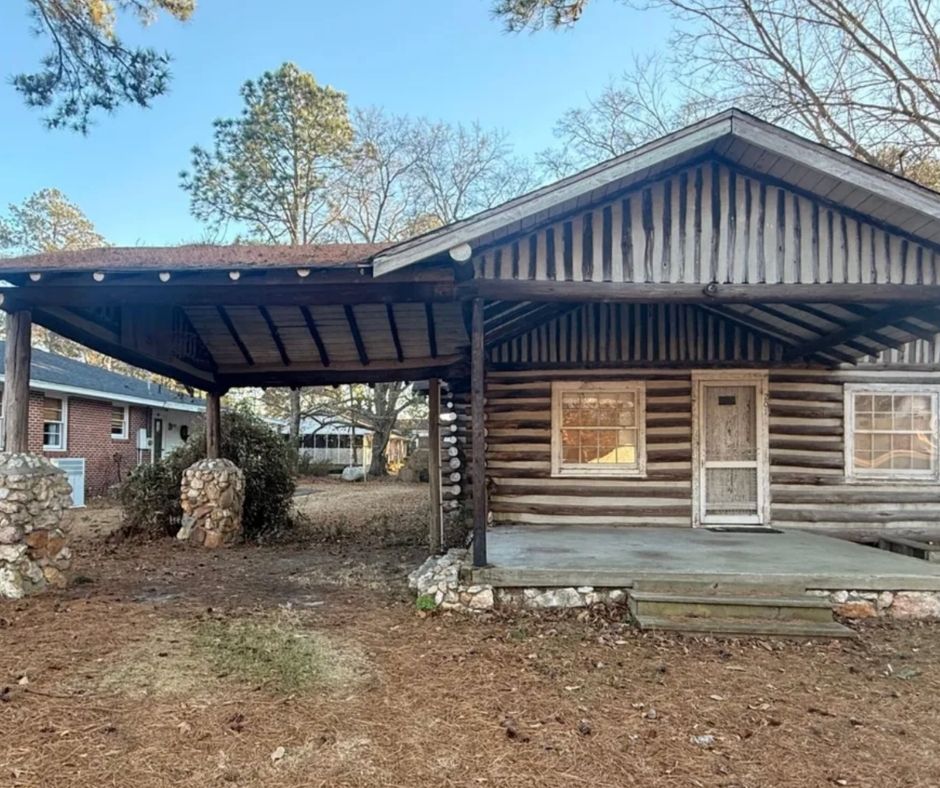
c.1900 Illinois Victorian Era Home For Sale $150K
$150,000

Realtor Comments
Impressive two and half story home with 3 to 4 upstairs bedrooms. Large living rooms, ready for some rehabilitation.
- bed
- bath
- Circa 1900
 101 E 1st N St, Mt Olive, IL 62069
If interested in a property, please contact the realtor whose link is provided in the post below, or contact an agent of your own choosing. Independent verification of details and status is recommended.
Contact Realtor: John Masinelli
Brokered by Masinelli Real Estate

Pros
- Low cost of living: Housing, utilities, and daily expenses are generally affordable compared with larger Illinois cities.
- Small‑town community: Friendly, close‑knit atmosphere where neighbors often know one another and community involvement is common.
- Low traffic & short commutes: Minimal congestion—easy driving and short local travel times.
- Rural and scenic surroundings: Nearby farmland and open spaces offer a peaceful, country feel and outdoor recreation opportunities.
- Proximity to regional centers: Within driving distance of larger towns (such as Litchfield, Staunton, and Springfield) for shopping, medical services, and employment options.
- Slower pace & family‑friendly: Good fit for those seeking a quieter lifestyle, family-oriented community, and lower noise levels.
- Lower property taxes (often): Compared with some urban areas, property tax burdens can be lower—varies by county.
Cons
- Limited job market: Fewer local employers and limited employment diversity—many residents commute to nearby towns or work in agriculture, manufacturing, or small businesses.
- Sparse amenities & entertainment: Limited shopping, dining, and cultural options; for a broader selection you’ll likely travel to larger nearby cities.
- Healthcare access: Basic medical services may be available locally, but specialized care often requires travel to regional hospitals.
- Education & extracurricular limits: Smaller school districts may offer fewer advanced courses and extracurricular programs compared with larger districts—check specific school performance if you have children.
- Public transit & connectivity: Little to no public transportation—owning a car is generally necessary. Broadband/internet options may be more limited in rural areas.
- Population trends & services: Smaller towns can face slower growth or stagnation, which may affect new investment, services, and retail variety.
- Weather & seasonal extremes: Illinois weather includes hot, humid summers and cold, snowy winters—seasonal maintenance and preparedness are needed.
- Slower real estate turnover: Smaller markets can mean longer times to sell a home compared with higher-demand urban areas.

*

*

*

*

*

*

*

*

*

*

*

*

*

*

*

*

*

*

*

*

*

*

*

*

*

*

*

*

*

*

*

*

*

*

*