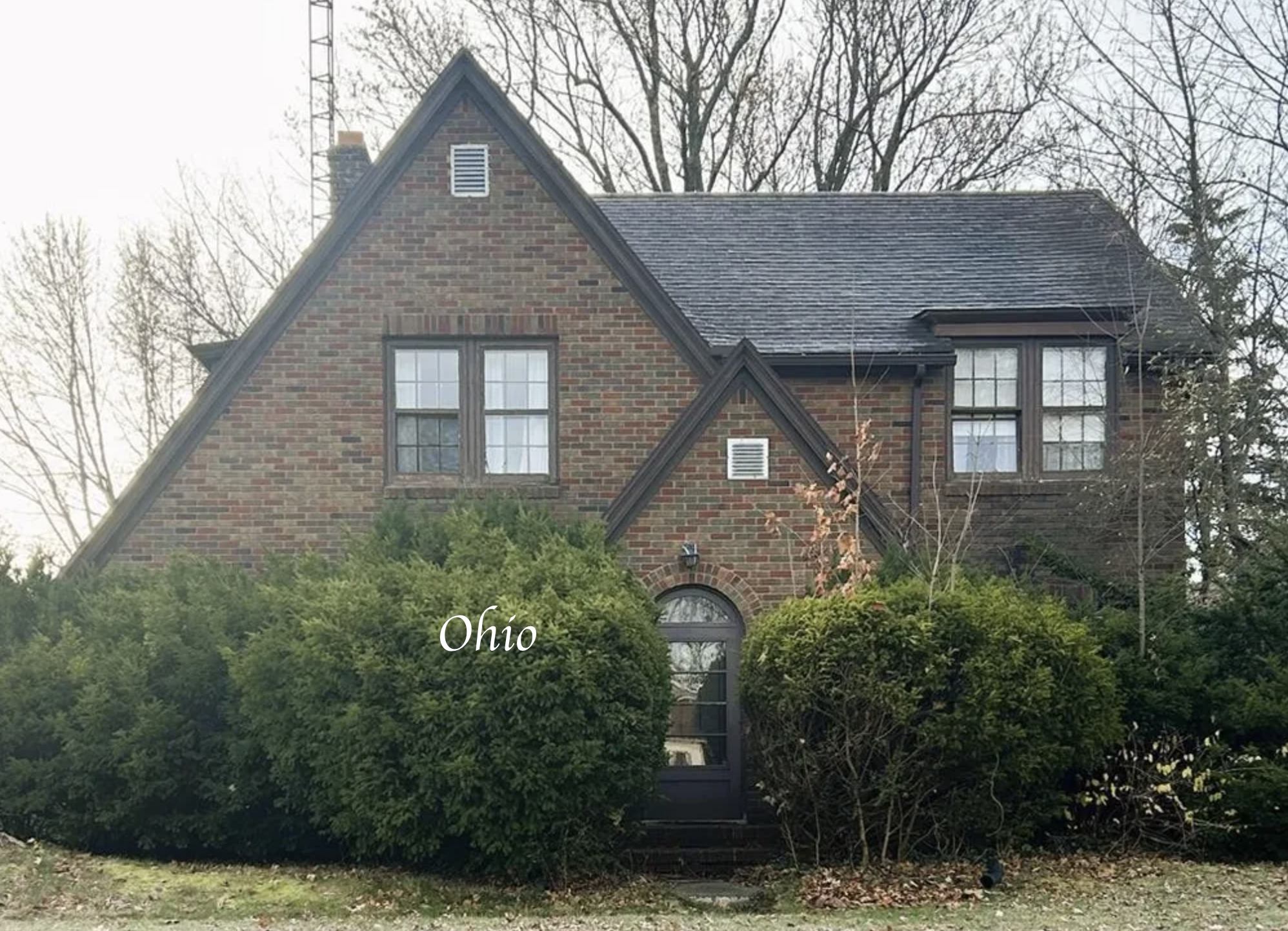
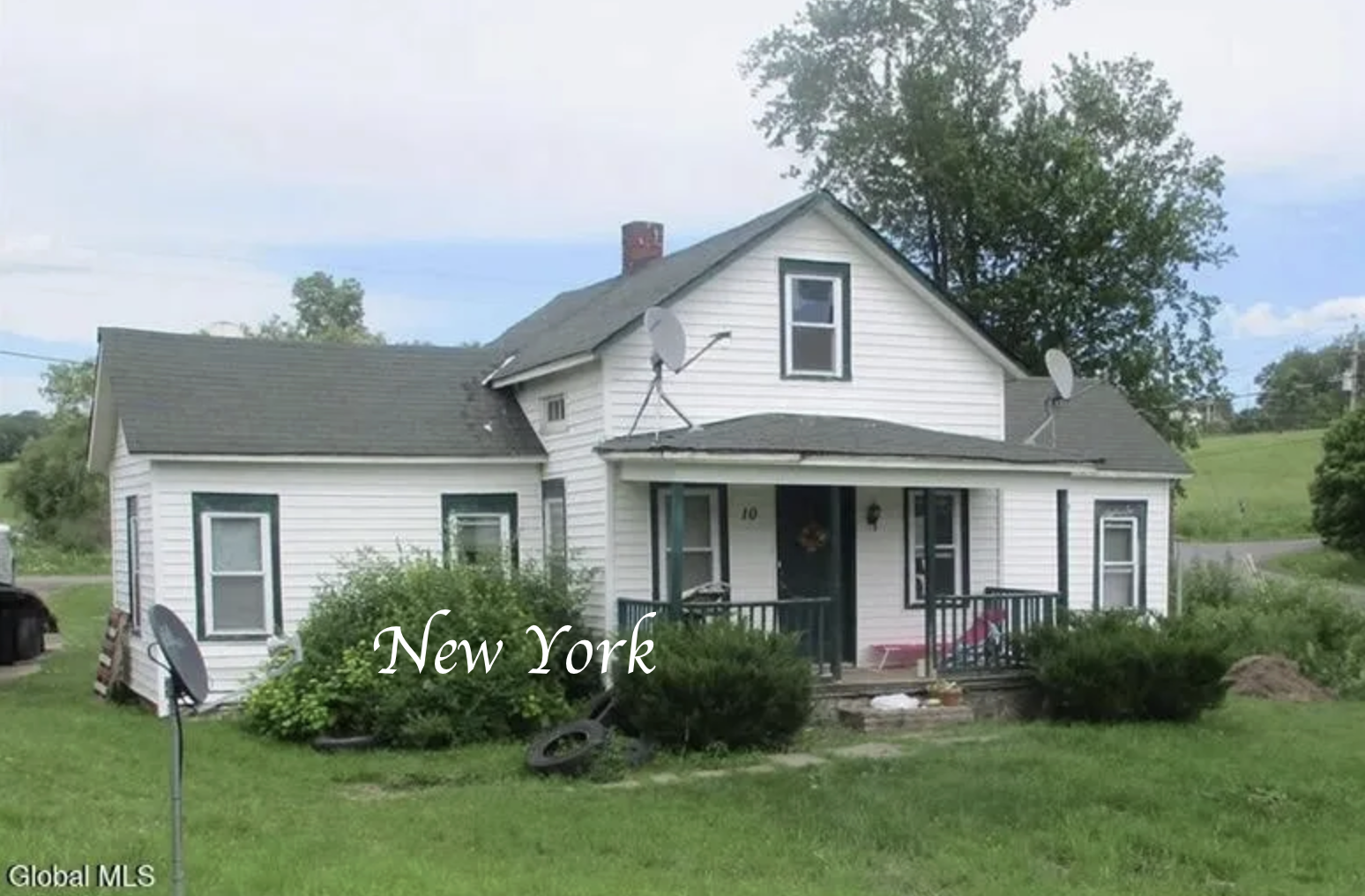
c.1940 Two Bedroom Affordable Indiana Home Under $55K
OHU50K Notes $54,900
c.1940 Two Bedroom Affordable Indiana Home. Affordable and adorable 2 bedroom home in a convenient location.

Realtor Comments
Quaint Bungalow! Convenient Location just off the Marion Bypass. Enclosed Front Porch. Living Room w/ fireplace & Dining Room w/ built-ins. Kitchen appliances will remain. 2 Bedrooms & 1.5 Baths. Laundry/Mud Room. 2 Storage Sheds. Partially Fenced Yard. Offering Immediate Possession! Roof is 2-3 years old, single layer shingles.
- 2 bed
- 1.5 bath
- Build date 1940


What works well / Pros for Marion, IN
• Quite affordable cost of living & housing
Living costs in Marion are significantly below the U.S. average. One source sets the cost-of-living index at ~ 80 (i.e. ~ 20% less than national average).
Housing tends to be affordable: median home values are low compared with many U.S. cities.
For renters or people on modest incomes, rent is relatively low (making it easier to stretch a budget).
• Manageable size and community variety — not too small, not too big
Population is roughly ~ 27,000–28,000 (per recent estimates) — which can give a “small-city / mid-town” feel: enough people for some activity, but not so many that it feels overwhelming.
There are a variety of home styles/neighborhoods: older historic homes closer to downtown, as well as newer suburban or ranch-style homes in other areas.
The smaller-city scale can appeal if you prefer a quieter or more “manageable” community over big-city hustle.
• Some cultural / local character and history
Marion has a heritage: it’s been home to notable figures/communities, which reflects in local history and architecture.
Because of the housing variety and community associations (some neighborhood associations exist), there may be a sense of community and local connectedness that appeals to residents.
• For certain budgets / life stages — a reasonable place if you don’t need a big-city salary
Given the affordability, Marion may be a reasonable fit for people on a fixed income, retirees, modest-income households, or people willing to trade high pay for lower costs.
If you don’t need a high-paying job locally or plan to commute / work remotely / travel for work, the low cost balancing could make life more manageable.
Trade-offs / Cons & Challenges to Be Aware Of
• Economic hardship, lower-than-average income & high poverty rate
A sizable share of residents live below the poverty line — the poverty rate is high compared with national average.
Median household income (depending on source) is well below national norms.
For many households, especially those earning lower incomes, financial stability may be challenging: rent + other expenses may still consume large portions of income despite lower cost of living.
• Mixed (and sometimes concerning) socio-economic & educational outcomes
Educational attainment is lower than national average: a smaller share of adults hold a bachelor’s degree.
Economic issues (poverty, limited incomes) may impact access to services, opportunities, and long-term mobility.
• Crime and safety — varies across areas, and “safe” doesn’t mean “no problems”
Crime rates are non-negligible; safety varies by neighborhood. Some data shows parts of the city have elevated crime risk compared to others.
Because socio-economic issues (poverty, inequality) are more widespread there, some neighborhoods may struggle more: this can affect overall quality of life, community stability, and neighborhood conditions.
• Limited economic growth, job opportunities — may be challenging for upward mobility
With a low median income and high poverty levels, local job market and economic opportunities may be modest compared with larger cities.
For those seeking dynamic career growth, diverse industries, or high-paying jobs — Marion might offer fewer opportunities, meaning commuting or remote work may be more realistic for many.
• Small/medium-city limitations: fewer amenities, less “urban vibrancy”
Compared to large metro areas: fewer high-end services, fewer entertainment or cultural amenities, and likely less diversity in options for dining, shopping, nightlife, or specialized services.
The modest population and economic base might mean fewer resources for large infrastructure, public services, or specialized community offerings, which some may find limiting if they expect “big-city conveniences.”