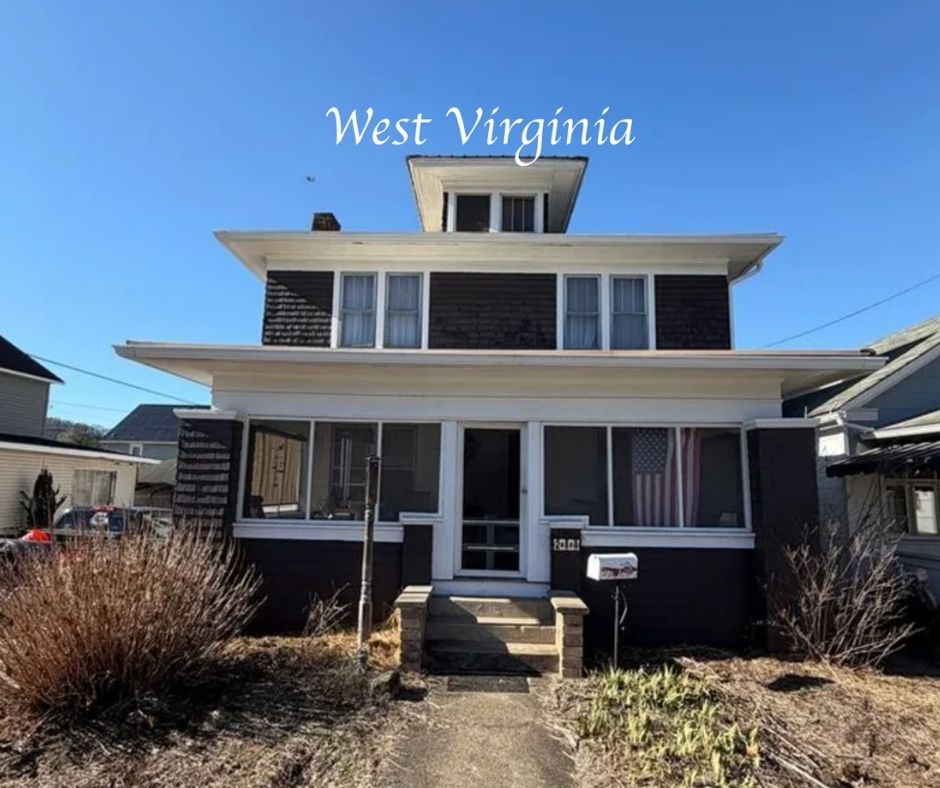
Illinois fixer upper

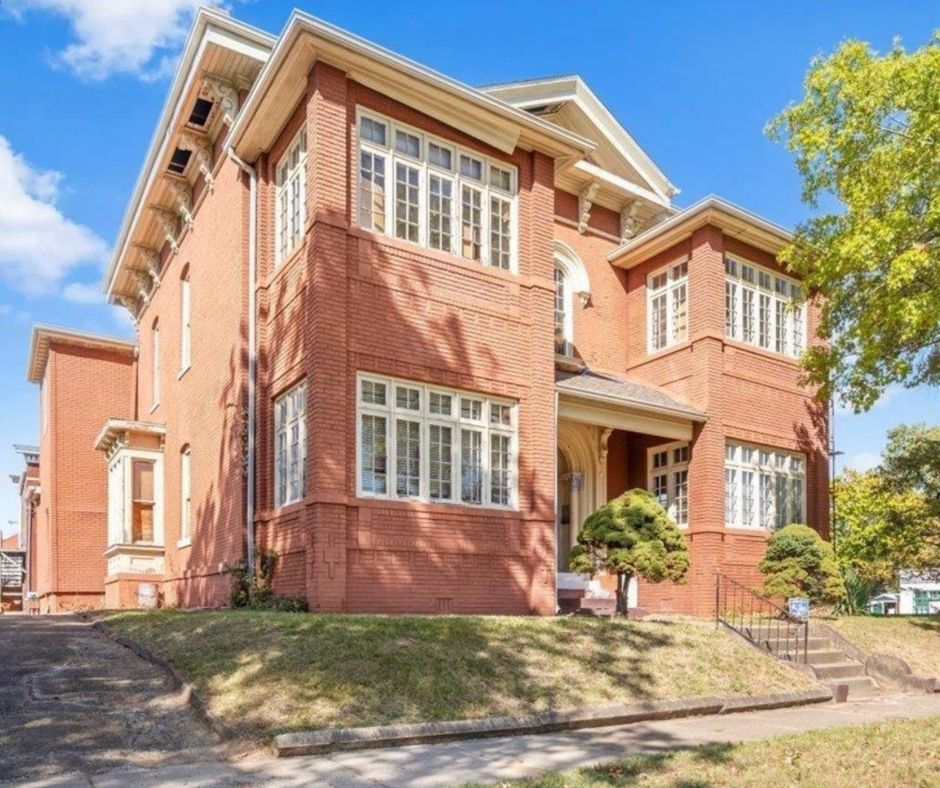
Save This c.1864 Historic Brick Illinois Fixer Upper Under $90K

OHU50K Notes    $89,500
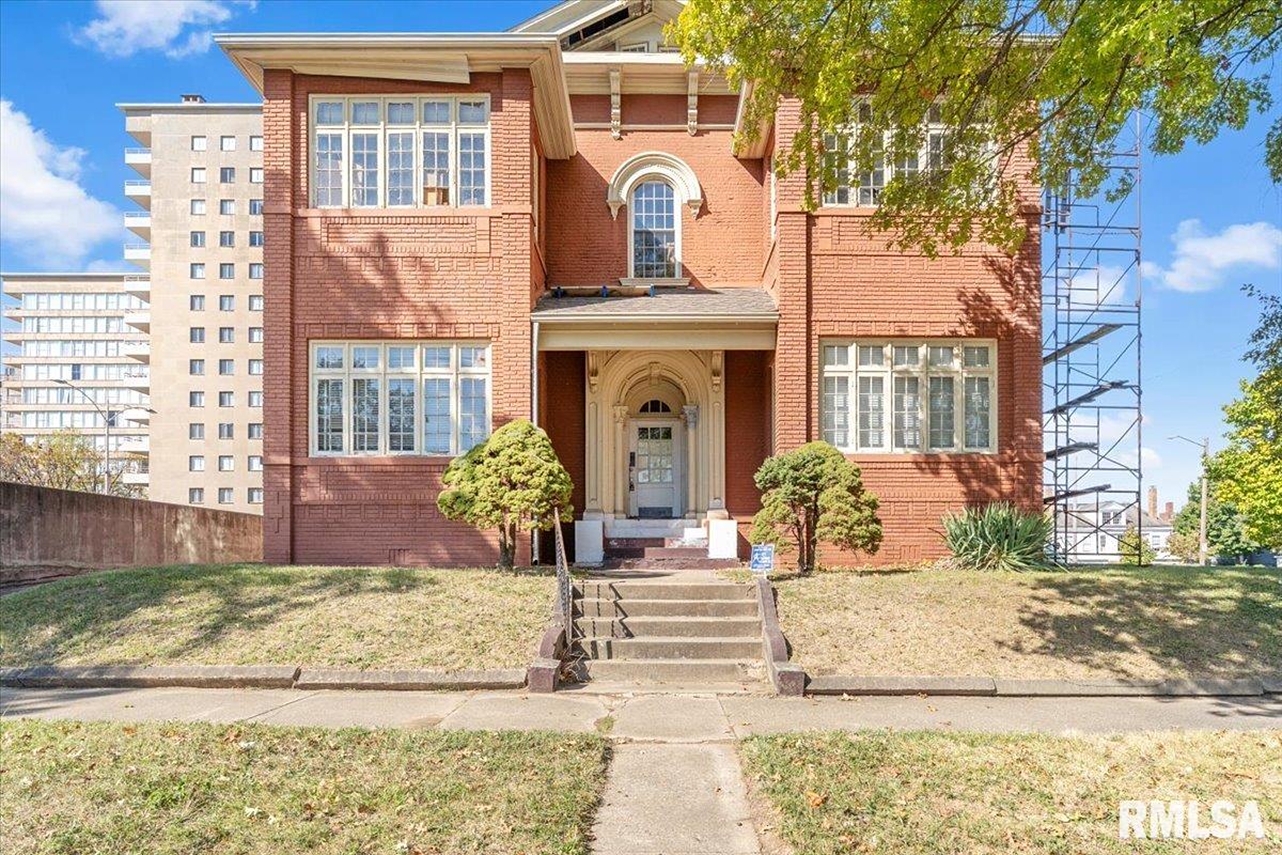
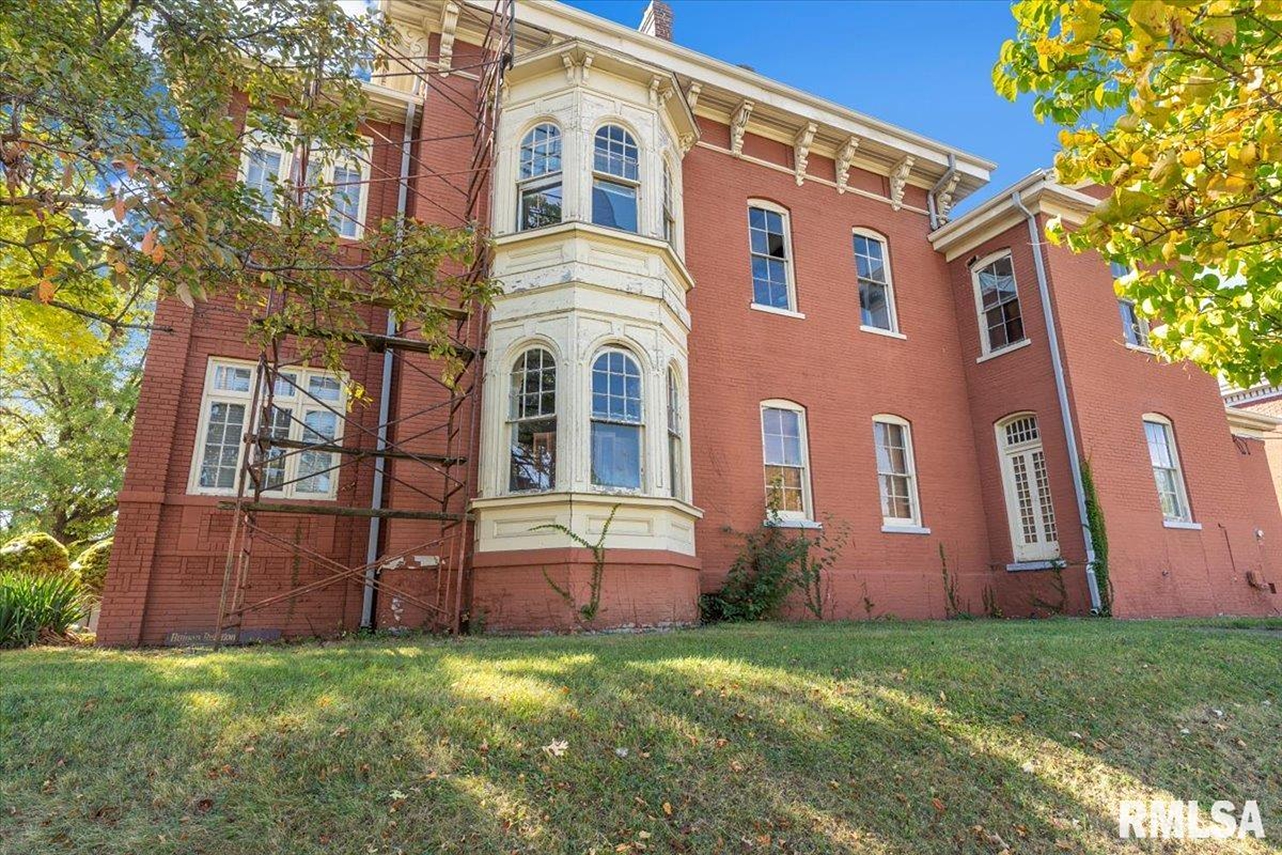
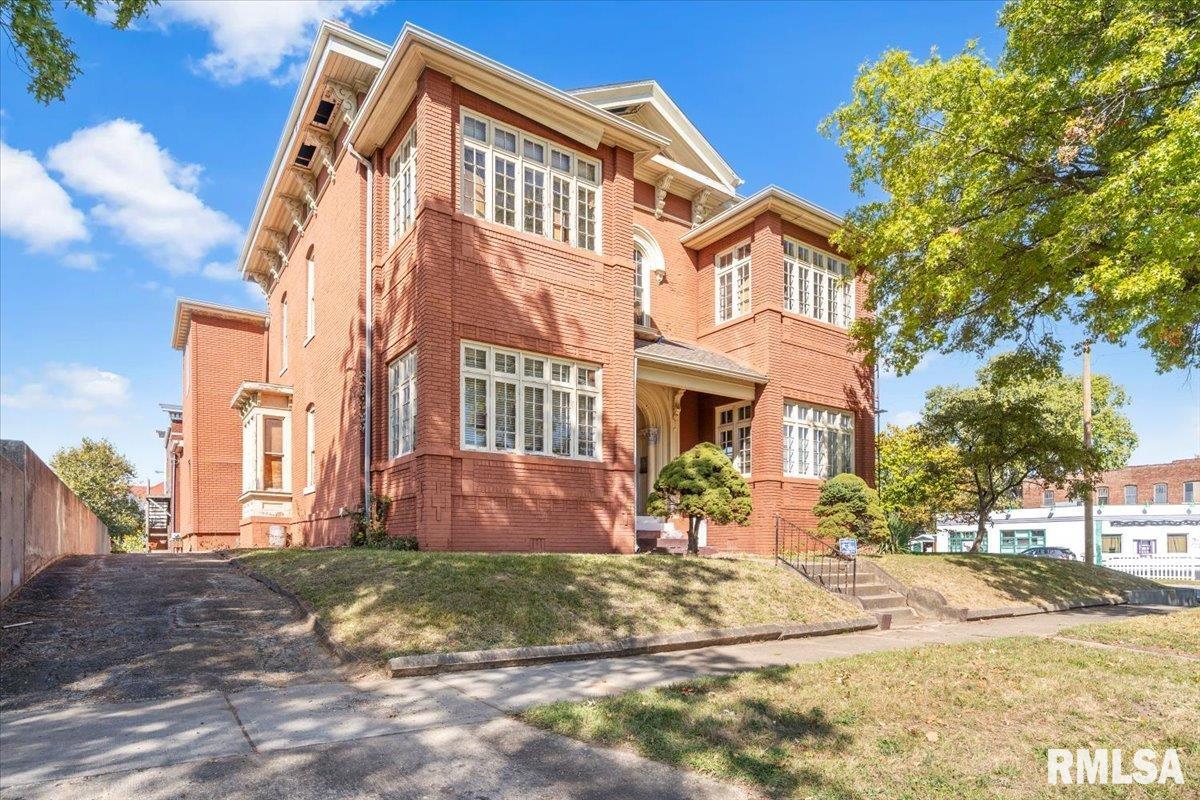
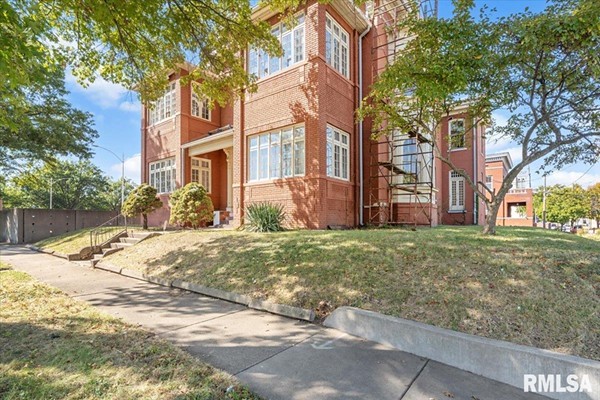
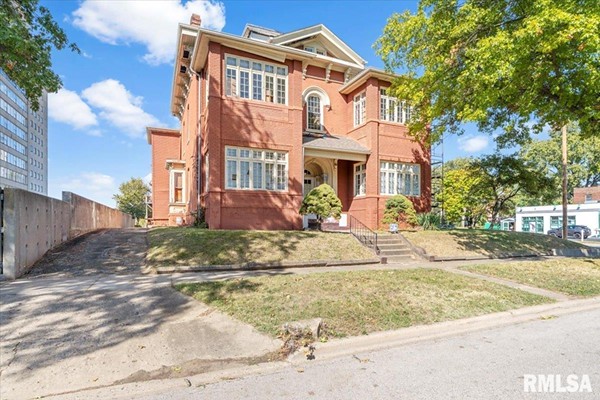
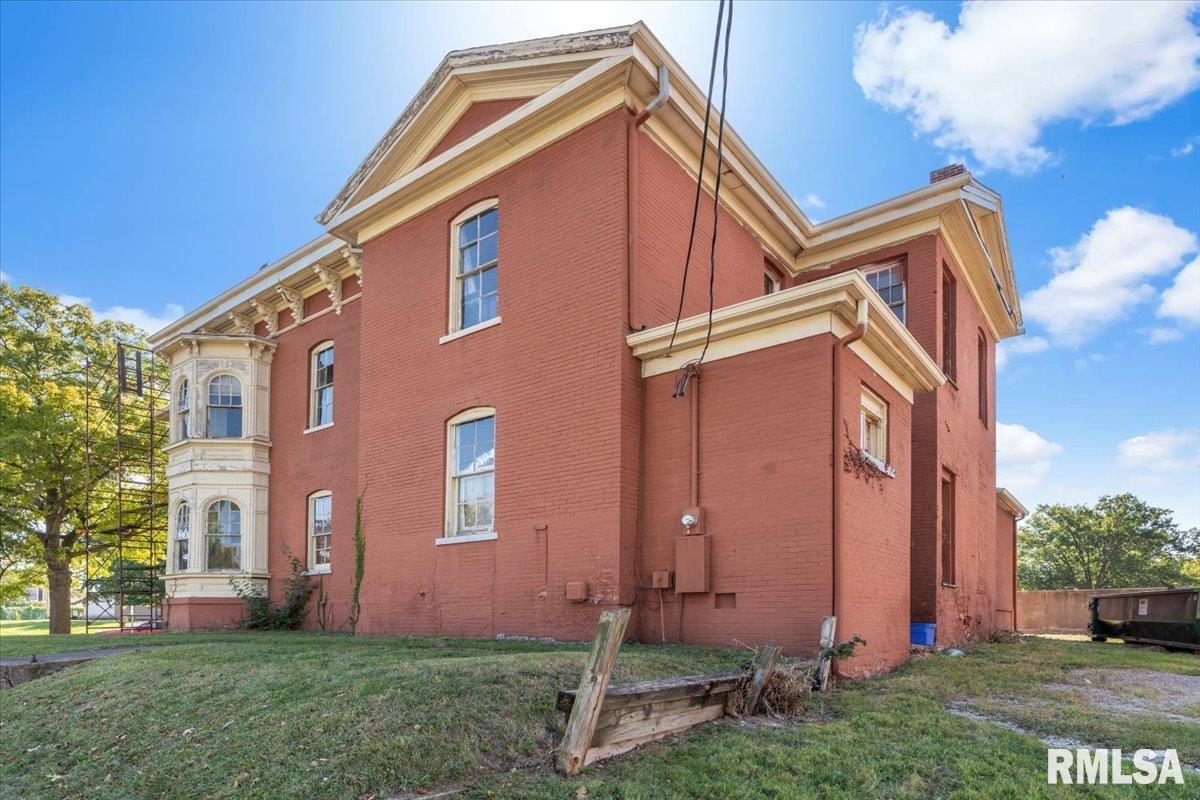
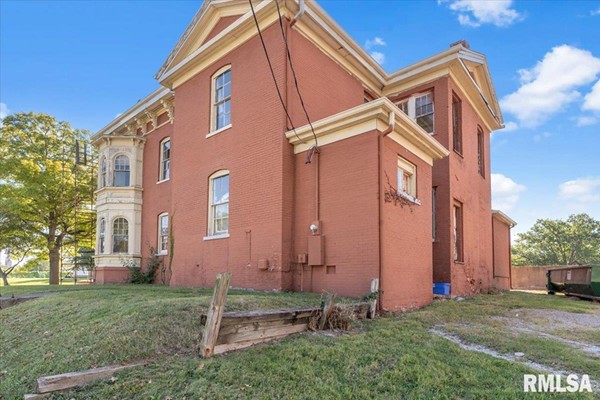
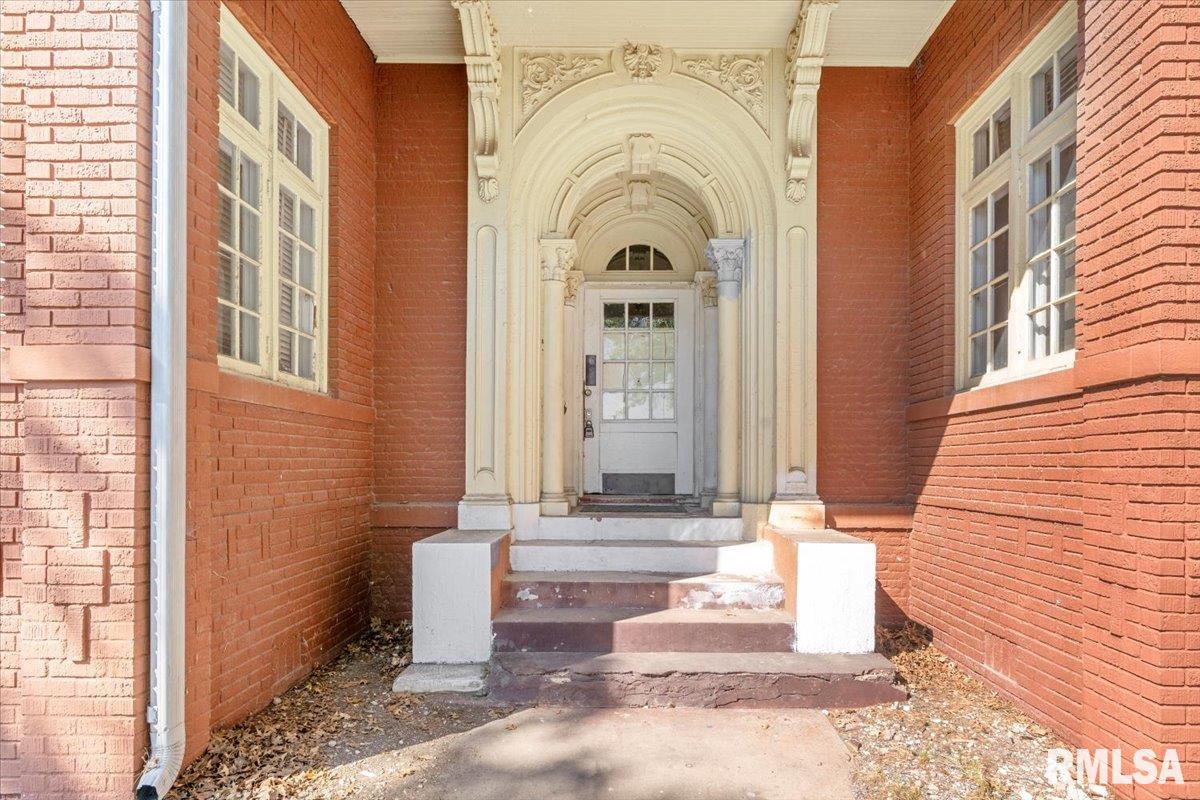
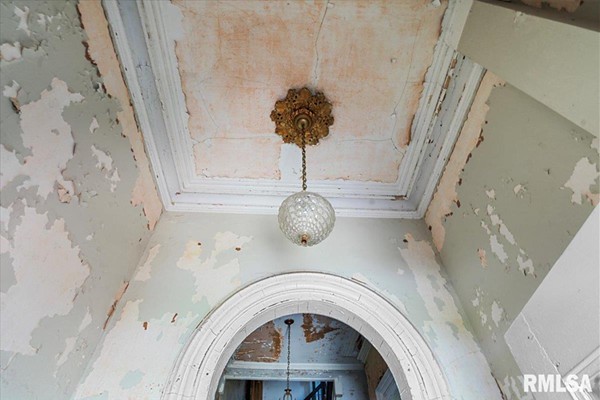
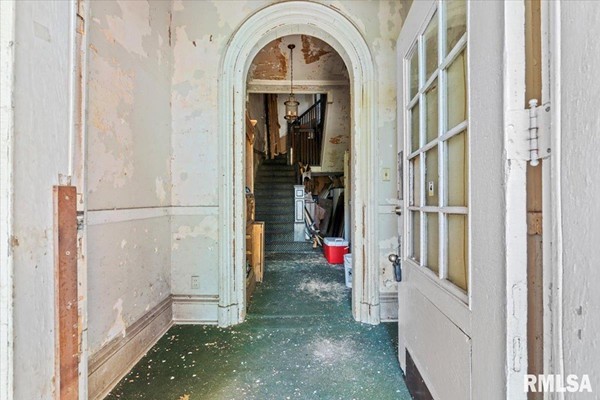
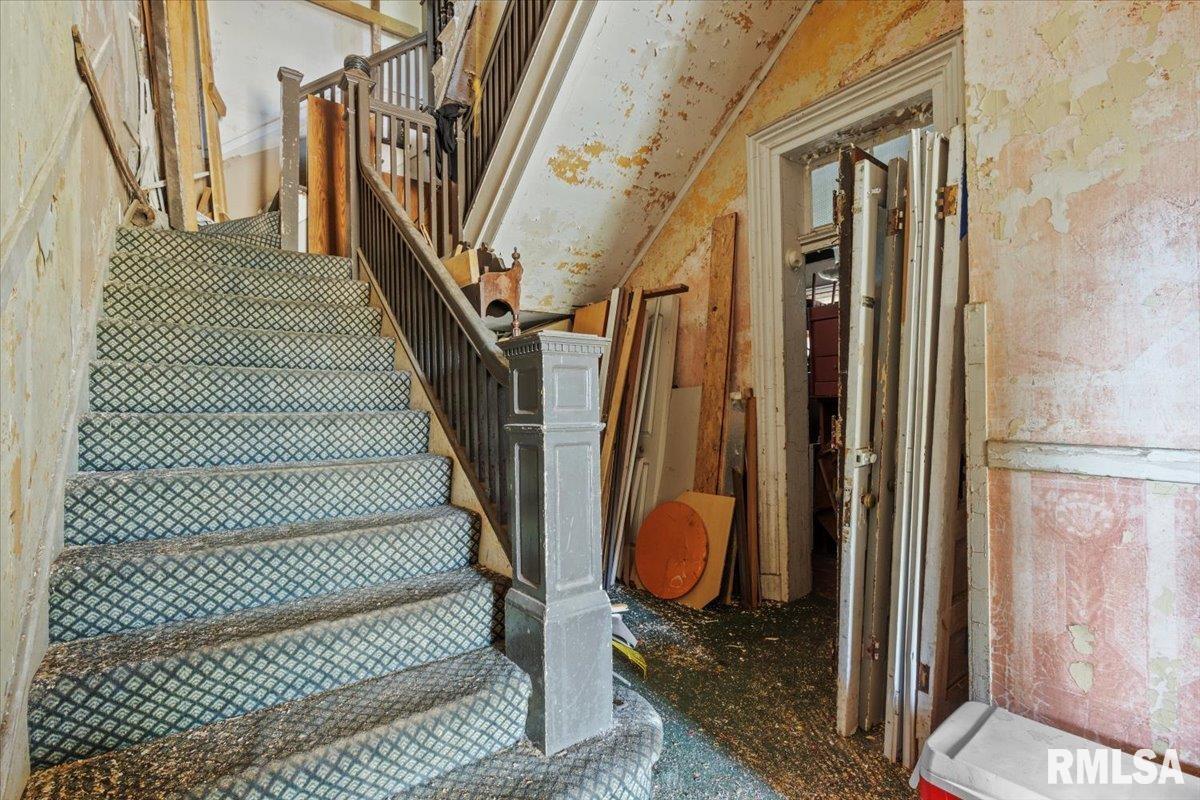
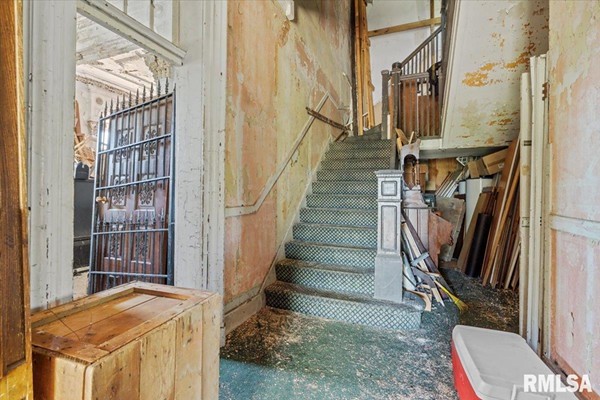
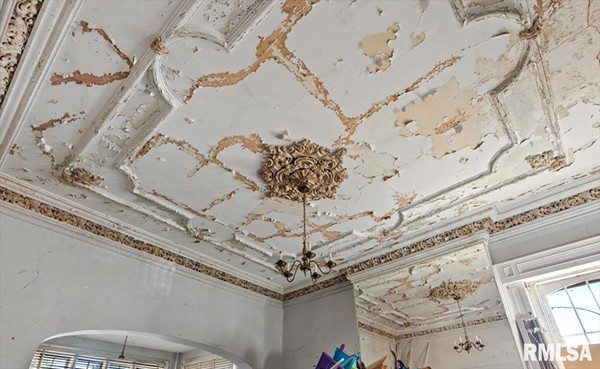
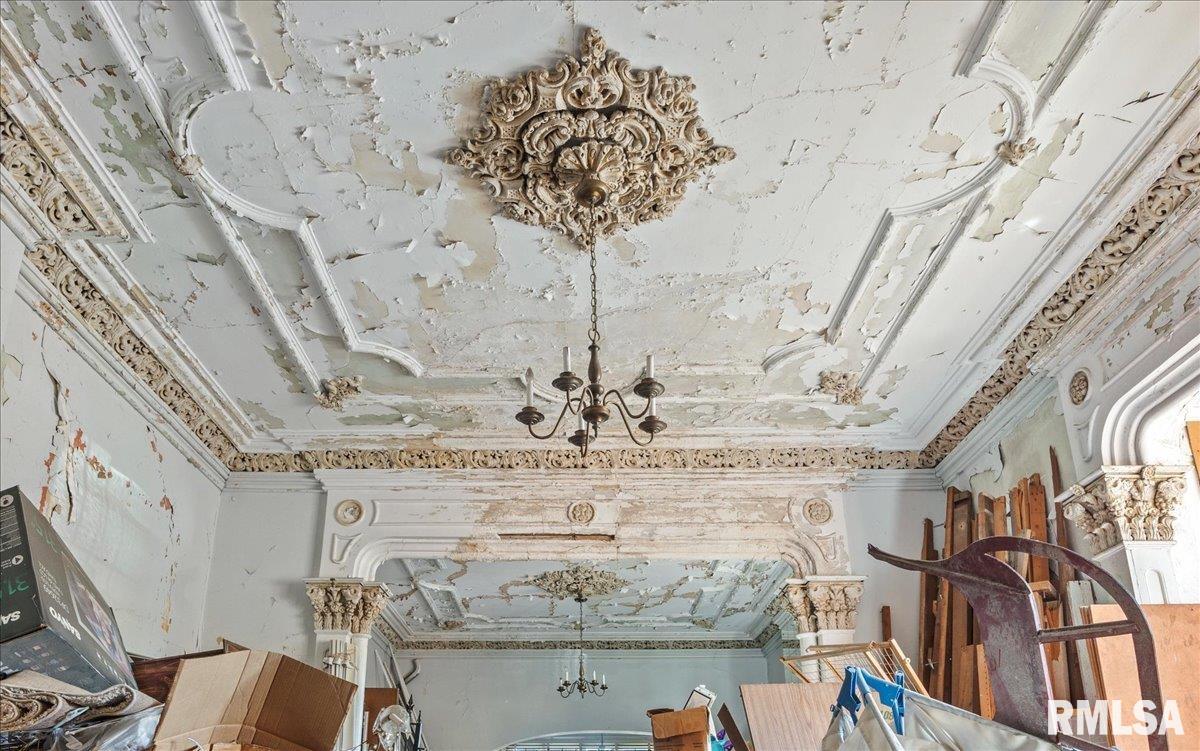
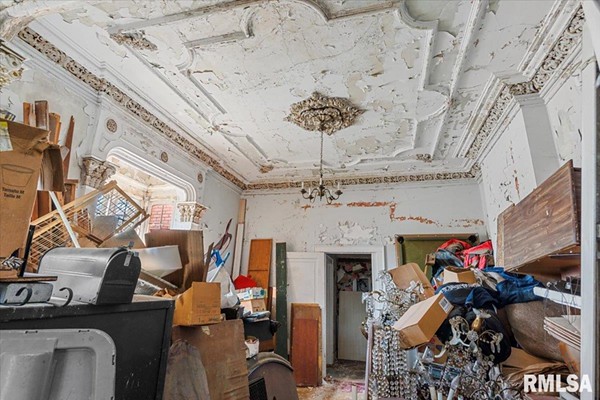
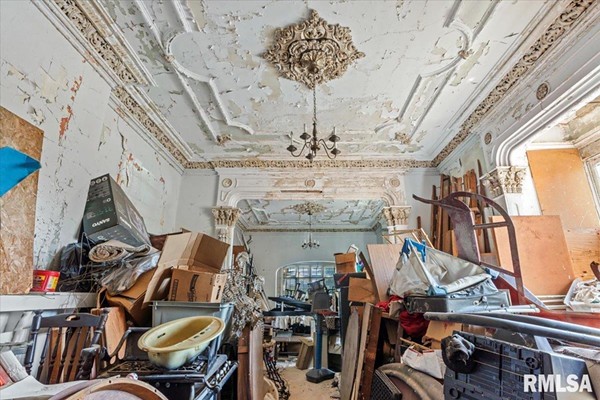
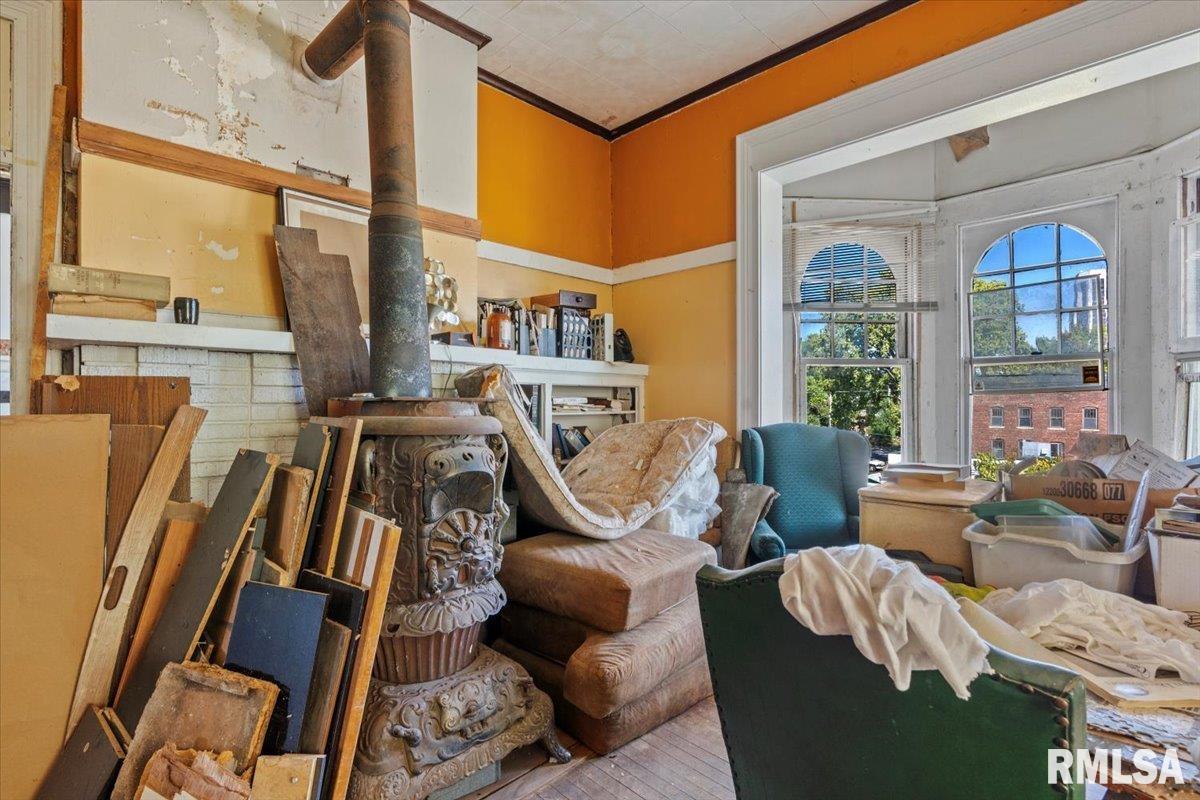
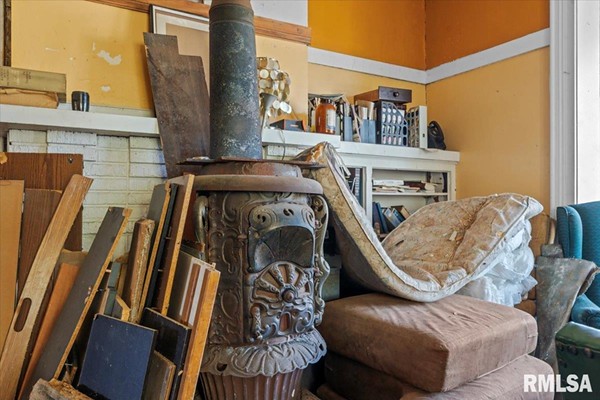
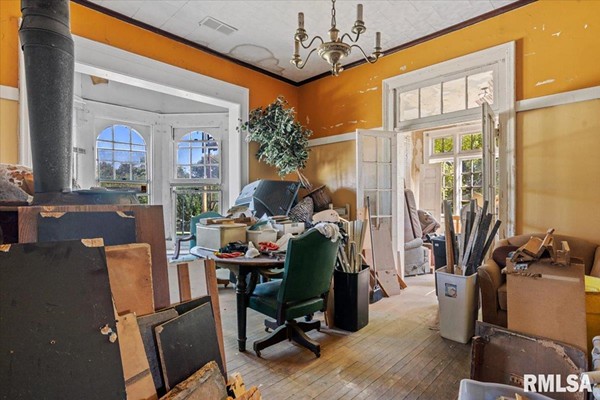
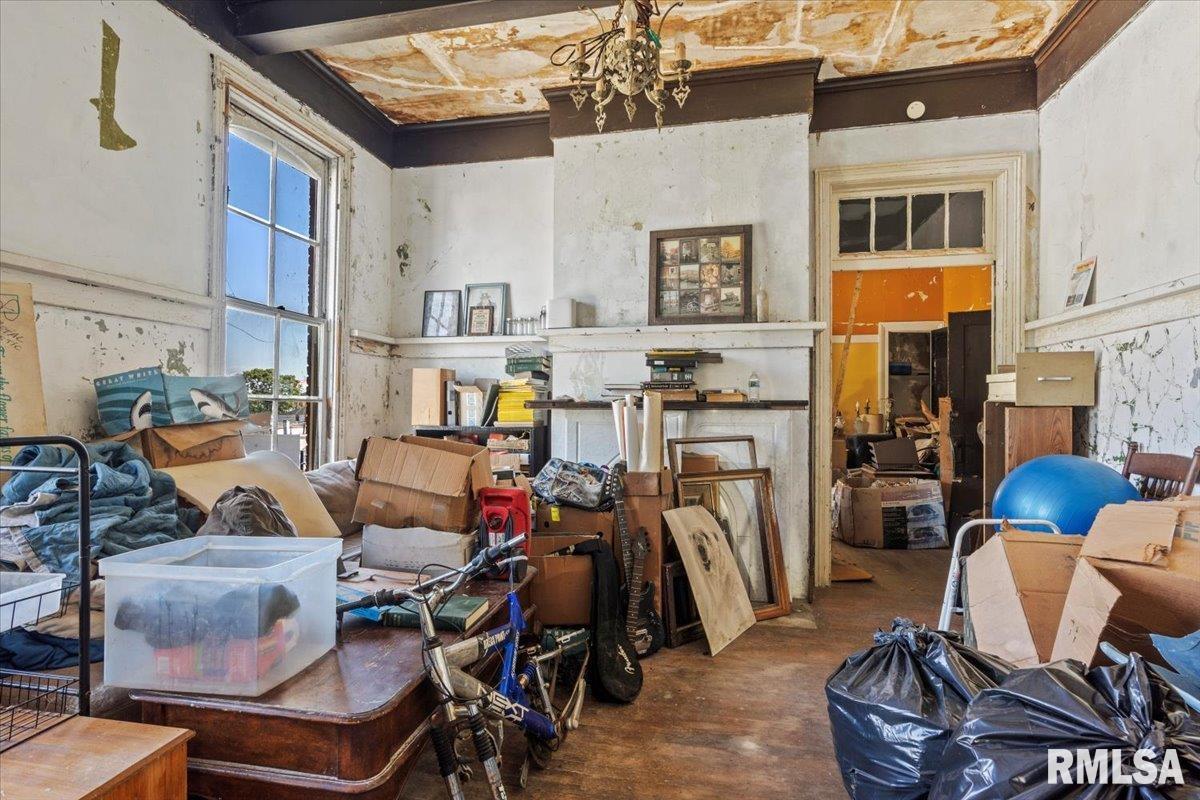
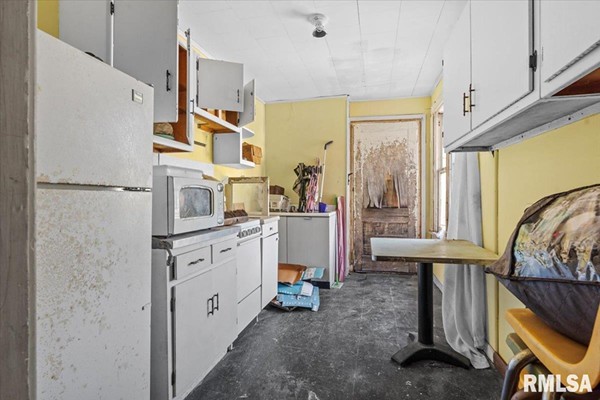
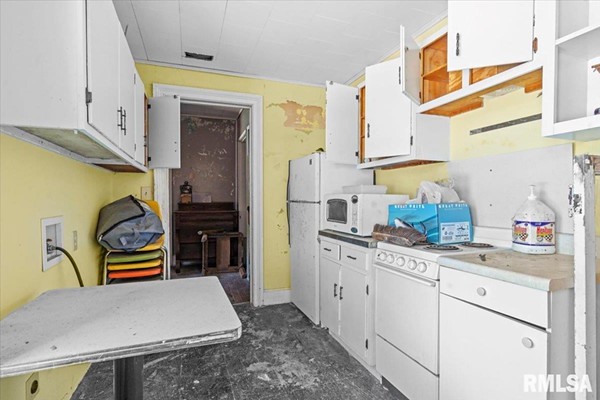
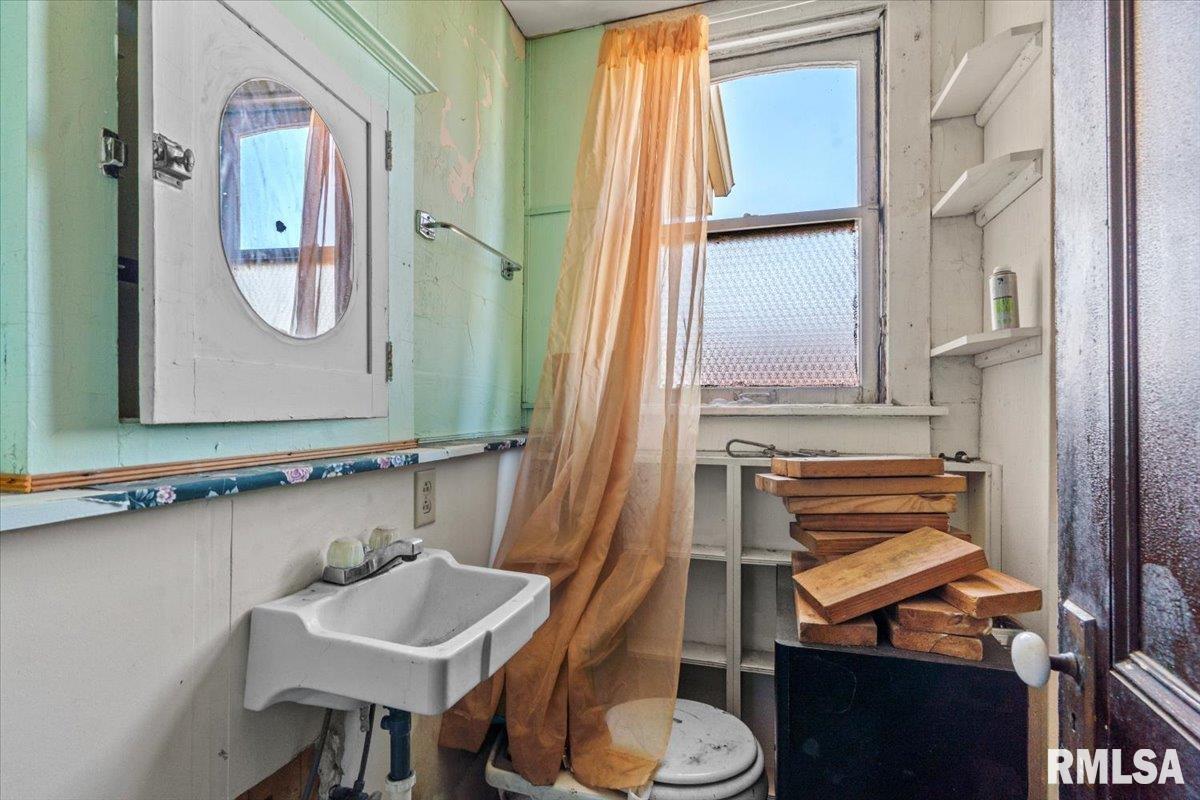
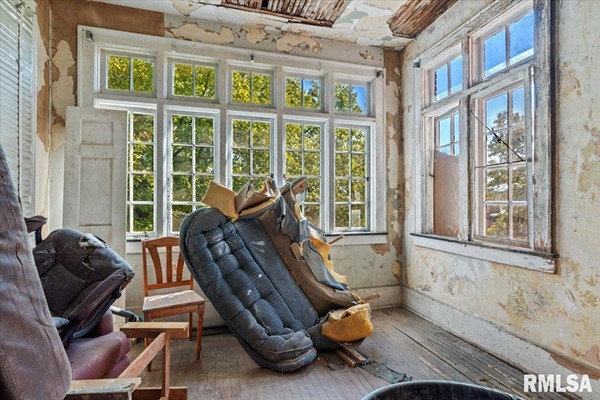
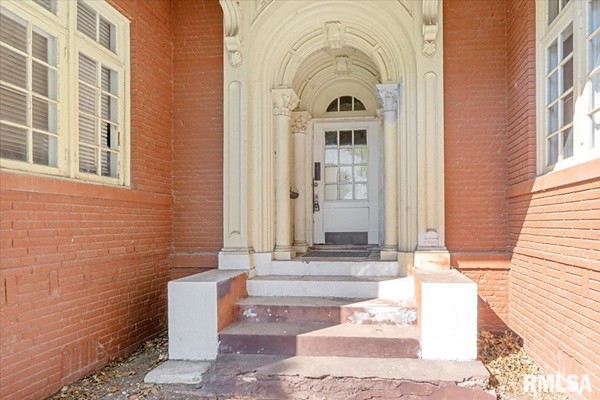
Save This c.1864 Historic Brick Illinois Fixer Upper. This home needs extensive work but man oh man, it is grand! Located in a historic district close to dining and library.
carousel property image


photo

*

photo

Family History

Historic Dr. Henry Wohlgemuth House – ca. 1864. Located just one block from Lincoln’s Home and the Elijah Iles House, this stately three-story solid brick Italianate-style building offers a rare opportunity to restore a piece of Downtown Springfield’s architectural history.

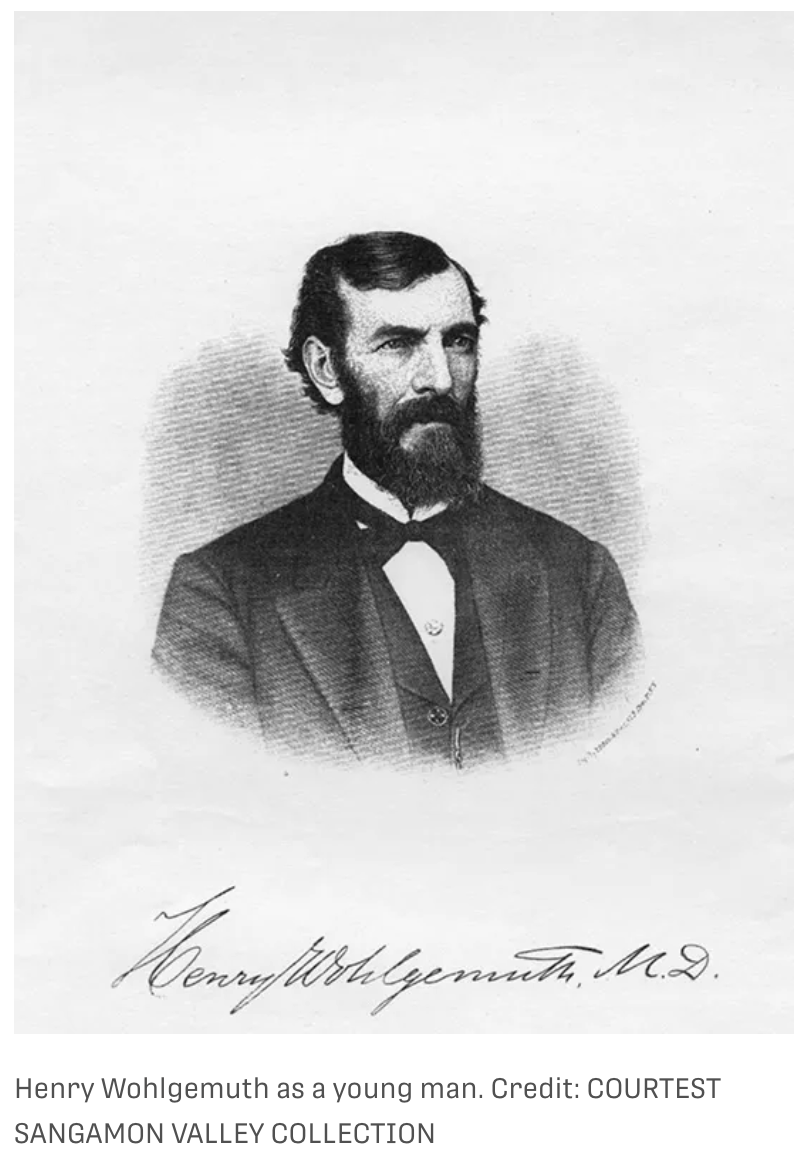
Dr. Henry Wohlgemuth, a German-born physician, played a major role in the development of Springfield, Illinois, during the 19th century. Born in Hanover, Germany, in 1822, he began studying medicine as a teenager. After his father’s death, he emigrated to the United States with his family in 1845 and soon settled in Springfield, which was then a small town. There he opened a medical practice that would last for more than 60 years.

In 1849, Wohlgemuth married Mary Elizabeth Wolgamot, and together they had eight children. Although already practicing medicine, he continued his studies and graduated from the Eclectic Medical Institute in Cincinnati in 1854. He later became the first president of the Illinois Eclectic Medical Association. Over the years, he held several important medical roles in the city.

Wohlgemuth’s influence extended far beyond medicine. He was deeply involved in the development of Oak Ridge Cemetery, which later became one of Springfield’s most notable landmarks. Beginning in 1864, he served on the cemetery’s board of managers and held several terms as its president. He worked to transform the land from a rough, natural area into a landscaped, park-like cemetery.

He also served Springfield in civic leadership roles. Wohlgemuth was an alderman from 1863 to 1865 and served on the Board of Education in 1866, when the city’s school system had more than 2,000 students. One of his most important contributions came when he was appointed head of the city’s water commission in 1865. Under his leadership, Springfield developed a new water system that drew water from the Sangamon River. Land was purchased for a reservoir, and by 1868 the Springfield Water Works was completed at a cost of $460,000, giving the city a reliable supply of drinking water.

Despite many accomplishments, his life also included personal tragedy. In 1873, his daughter Marietta died at age 22. In her memory, Wohlgemuth designed a tall obelisk monument for her grave in Oak Ridge Cemetery.

Active in politics and community organizations, he was a Democrat, a member of the Knights Templar, and helped establish Farmers National Bank. After a long career in medicine and public service, he retired on May 22, 1905.

photo
*
photo
*
photo

Pros and Cons of Springfield, Illinois

Pros

Affordable cost of living

  • Springfield’s overall cost of living is about 7–10% below the U.S. average.

  • Housing is especially cheap:

    • Median home price around $130k–$240k

    • Average rent roughly $820–$1,000/month.

  • That makes it far cheaper than big Illinois cities like Chicago.

Good for:

  • first-time homebuyers

  • retirees

  • people working remote jobs


Capital city = stable government jobs

Springfield is the capital of Illinois, so a lot of employment comes from:

  • state government

  • healthcare

  • education

  • related services.

These jobs tend to be stable and provide decent benefits.


Manageable size and easy commutes

  • Population ~115k (small-mid sized city).

  • Traffic and commute times are generally shorter than in major metro areas.

You can usually get across town in 15–20 minutes.


Lots of history and culture

Springfield has strong historical significance, especially related to Abraham Lincoln, with attractions like:

  • Lincoln Home National Historic Site

  • Lincoln Presidential Library and Museum.

The city also has parks, museums, and community events.


Parks and outdoor space

Springfield has 100+ parks and recreational areas, giving residents plenty of green space for recreation.


Cons

Limited job market

The economy is smaller and less diverse than bigger cities.

  • Many jobs revolve around government or healthcare.

  • Fewer opportunities in tech, finance, or large corporate sectors.


Crime concerns in some areas

  • Crime rates are higher than the national average in certain neighborhoods.

  • Overall safety rating around 6/10.

Like many cities, safety varies a lot by neighborhood.


Not a lot of nightlife or big-city entertainment

Compared with large cities:

  • fewer concerts, nightlife venues, and cultural events

  • smaller restaurant scene.

Residents sometimes describe the city as quiet or slow-paced.


Limited public transportation

  • Public transit exists but is not extensive, so most people rely on cars.

If you don’t drive, getting around can be difficult.


Harsh Midwest weather

Springfield experiences:

  • hot, humid summers

  • cold winters with snow

  • occasional severe storms or tornado risk.
photo
*
photo
*
photo
*
photo
*
photo
*
photo
*
photo
*
photo
*
photo
*
photo
*
photo
*
photo
*
photo
*
photo
*
photo
*
photo
*
photo
*
photo
Listing with RE/MAX Professionals MLS# CA1039673
error: Content is protected !!